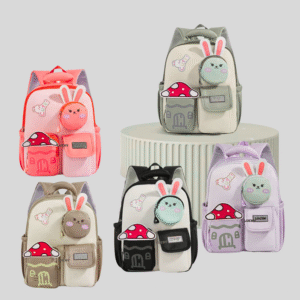
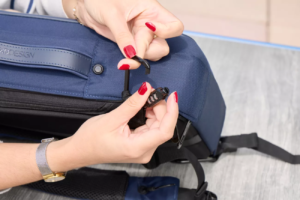
Looking for reliable, stylish, and durable PU backpacks that blend affordability with premium aesthetics? You’re not alone. As demand for vegan-friendly, eco-conscious alternatives to leather continues to rise, PU backpack manufacturers have stepped up—offering high-quality synthetic designs that don’t compromise on function or fashion.
Whether you’re sourcing for private label, wholesale distribution, or personal use, our expert-backed list helps you cut through the noise and partner with suppliers who deliver consistent quality, ethical production, and on-trend designs—all optimized for today’s competitive market.
The Rise of PU backpack in Global Fashion
Over the past decade, PU backpacks have become a major trend in fashion and accessories. Their ability to imitate genuine leather—combined with lower cost, lighter weight, and expanding sustainability options—makes PU bags appealing to both brands and consumers.
The global vegan leather market, valued at $68.9 billion in 2022, continues expanding at 8.5% CAGR, with PU backpacks claiming significant market share across fashion, business, and educational segments.
From luxury-style minimalist designs to streetwear-inspired backpacks, PU has reshaped the mid-to-high-end accessory market. As trends shift toward minimalist shapes, neutral colors, and bold prints, PU materials make it easy for brands to experiment with patterns, embossing, and textures without sacrificing functionality. Today, major retailers, boutiques, and emerging fashion brands frequently choose PU backpacks for seasonal collections and large-scale commercial production.
What’s driving this surge? Social media influencers champion cruelty-free accessories while sustainability-focused millennials and Gen Z consumers deliberately avoid animal products without sacrificing style. Unlike earlier synthetic alternatives that carried stigma, today’s advanced PU materials convincingly replicate genuine leather’s texture and luxury feel while offering superior weather resistance.
What is PU Material? Understanding Polyurethane
Polyurethane (PU) is a versatile polymer created through chemical reaction between polyols and diisocyanates. Unlike PVC leather alternatives, modern PU materials contain no chlorine and break down more readily in landfills. The manufacturing process involves coating fabric bases (typically polyester or cotton) with thin layers of polyurethane resin, followed by embossing to create leather-like textures and finishing treatments for specific performance characteristics. It offers flexibility, abrasion resistance, and water resistance, which is why it is widely used for bags, shoes, and fashion accessories.
Technical composition breakdown
- Base fabric layer (provides structural integrity)
- 2-4 polyurethane coating layers (determine durability and feel)
- Surface finish treatments (waterproofing, UV resistance, texture)
- Pigmentation layer (color consistency and fade resistance)
Modern PU materials have evolved dramatically from early versions. Today’s premium formulations feature micro-porous structures allowing breathability while maintaining waterproof properties. This technological advancement explains why contemporary PU backpacks no longer suffer from the peeling and cracking issues that plagued earlier generations of synthetic leather products.
Key characteristics of PU material include
- Soft, leather-like surface
- Lightweight and flexible
- Good abrasion resistance
- Smooth, consistent color
- Easy to clean and maintain
Modern PU technologies—such as water-based PU and recycled PU—enhance environmental friendliness, helping brands meet sustainability goals.
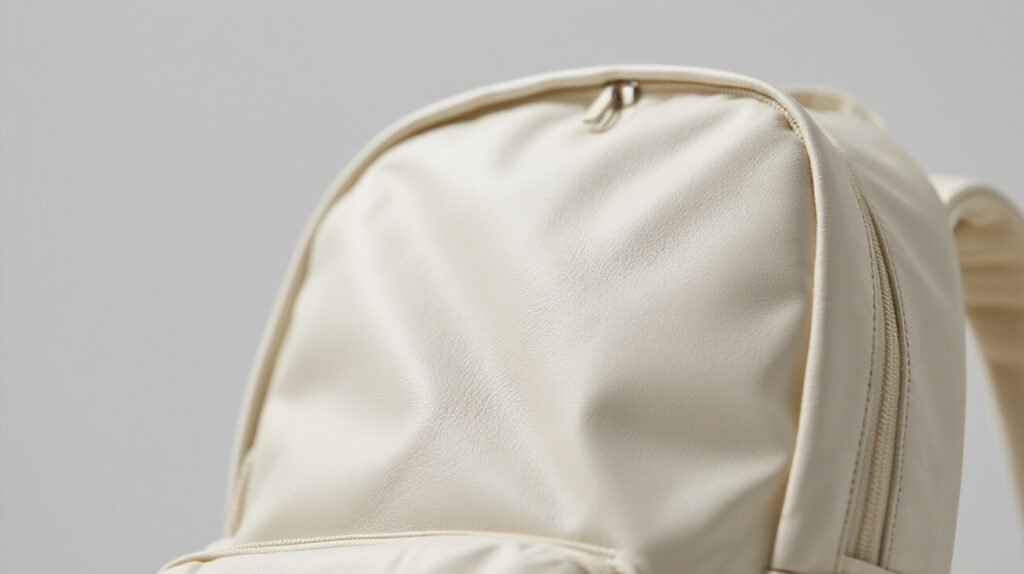
Why Choose PU Material for Backpacks?
pu backpack manufacturers choose PU for a variety of practical and commercial reasons. PU material offers compelling advantages that make it ideal for modern backpack manufacturing:
Durability & Performance
Premium PU withstands 30,000+ flex cycles without cracking – exceeding many genuine leathers. Its closed-cell structure repels moisture, preventing the water absorption that causes traditional leather to warp and mildew. For students, commuters, and travelers, this translates to reliable performance through diverse weather conditions.
Ethical Consumer Alignment
With 67% of global consumers preferring sustainable alternatives (McKinsey 2023), PU backpacks satisfy growing demand for cruelty-free accessories. Modern formulations avoid toxic phthalates and heavy metals, with leading manufacturers achieving OEKO-TEX certification for skin safety.
Cost-Effectiveness
PU materials provide 60-70% cost reduction compared to full-grain leather while maintaining comparable aesthetics. This manufacturing efficiency allows brands to offer premium-looking backpacks at accessible price points without compromising margins.
Design Versatility
PU accepts dyes and textures more readily than genuine leather, enabling consistent color matching across production runs and innovative surface treatments. Manufacturers can produce metallic finishes, embossed patterns, and translucent effects impossible with animal leather.
Common styles and market positioning of PU backpacks
PU backpack manufacturers typically produce:
- Minimalist fashion backpacks for lifestyle brands
- Casual backpacks for students and commuters
- Luxury-style PU backpacks for boutique and private-label brands
- Structured business backpacks with PU panels
- Outdoor-fashion hybrid packs with PU accents
- Small PU daypacks for women’s fashion markets
Market positioning ranges from:
- Low-cost mass-market retail
- Mid-range fast-fashion brands
- Premium boutique-level collections
Market positioning varies significantly by quality tier.
Entry-level PU backpacks ($15−35 wholesale) targetfast−fashionretailersandpromotionalmarkets.
Mid−tierofferings($35-75 wholesale) appeal to contemporary fashion brands seeking sustainable options.
Premium PU backpacks ($75-150+ wholesale) compete directly with genuine leather goods through superior craftsmanship and designer collaborations.
Market advantage analysis of PU backpacks
PU backpacks occupy a uniquely advantageous position in the $18.3 billion global backpack market:
Supply Chain Resilience
Unlike genuine leather, PU production isn’t subject to livestock market fluctuations or hide shortages. Manufacturers maintain consistent material quality year-round with 2-4 week lead times versus 8-12 weeks for premium leather sourcing.
Customization Capabilities
PU manufacturers offer rapid prototyping with digital color matching and texture sampling. Brands can develop exclusive finishes and colors without minimum order quantities that typically accompany leather dye lots.
Sustainability Credentials
Modern water-based PU production reduces carbon footprint by 40% compared to traditional leather tanning. Leading factories implement closed-loop water systems and solar power to further reduce environmental impact – a compelling narrative for eco-conscious retailers.
Retail Performance Metrics
Brands report 22% higher sell-through rates for PU backpacks compared to genuine leather counterparts in the $40-80 price segment. The reduced price barrier combined with ethical positioning increases conversion rates while maintaining healthy margins.

What Makes PU Backpack Manufacturers Essential in Today’s Market?
Professional PU backpack manufacturers integrate material sourcing, product engineering, and mass production, so brands can move from idea to shelf quickly and safely. Good factories offer OEM/ODM services, suggesting suitable PU grades, hardware, and construction methods to meet target prices, test standards, and brand aesthetics.
Key value they bring:
- Competitive pricing
- Customization and private labeling
- Stable supply and scalable capacity for growing brands.
- In‑house pattern making, sampling, and testing for durability and compliance.
- Assistance with certifications and eco‑claims (REACH, RoHS, recycled content where applicable).
- Innovation Pipeline Access
Let’s take a look together. These are the 10 Best PU Backpack Manufacturers.
1.Sumkbags
Location:Baigou, Baoding, China
Introduction:Sumkbags is a globally trusted manufacturer of premium PU backpacks, where innovative design meets conscious craftsmanship. We transform your vision into stylish, functional, and sustainable reality—helping brands worldwide deliver bags that look great, feel responsible, and stand the test of time.
Backpacks Features:Crafted from high-quality, water-resistant PU leather, our backpacks combine luxury aesthetics with everyday durability. Thoughtfully designed with ergonomic comfort, smart storage, and customizable finishes—from embossed logos to embroidery—they’re built to reflect your brand’s identity while meeting modern consumer expectations for eco-friendly, animal-free fashion.
Company Advantages:With a production capacity of over 350,000 units per month and lead times as short as 7–20 days, Sumkbags offers seamless OEM and private-label solutions tailored to your needs. We prioritize sustainability at every stage—from low-impact manufacturing to plastic-free packaging—so you can scale your brand with confidence and conscience.
Cons:On-site inspection might be difficult as the factories are located in China.If you are unable to come to China in person, you will need to conduct the factory inspection via online video.
2. Dongguan Yaosheng Industrial Co., Ltd.
Location:Dongguan, China
Introduction:A professional bag manufacturer with approximately 1,000 square meters of factory space and 100 employees. We possess both manufacturing and trading capabilities.
Backpacks Features:They offer PU leather backpacks, school bags, travel backpacks, business bags, and laptop bags. Custom logo and fabric options are available, with a variety of capacities and styles.
Company Advantages:Provides OEM/ODM services, short sample production time, and stable bulk delivery times. Suitable for large orders and customized production.
Cons:Relatively high MOQ (Minimum Order Quantity). May be too high a barrier for small brand startups. Weak in-house design capabilities.
3.Baoding Baigou Tianshangxing Bag Leather Goods Co., Ltd.
Location:Baigou, Baoding, China
Introduction:The company was founded in 1999. They offer a wide range of products, including suitcases, backpacks, and laptop bags. The company also accepts OEM/ODM orders. It is a strong competitor and partner of Sumkbags.
Backpacks Features:Covers business backpacks, travel backpacks, school backpacks, and luggage. We have the capability to produce products in various materials including PU, nylon, and textiles.
Company Advantages:Over 25 years of industry experience + more than 10 modern production lines + 300+ technicians, resulting in high production capacity and a mature design and manufacturing system.
Cons:Their backpack products may be geared towards the mass market, and may not be sophisticated enough for those requiring high-end/personalized designs. The minimum order quantity (MOQ) is high, making it unsuitable for startup brands.
4.Haerfest
Location:New York, USA
Introduction:Haerfest was founded in 2011 by two brothers, offering leather goods including backpacks and accessories. Their initial focus was on tailored backpacks, later expanding into other leather accessories.
Backpacks Features:Their backpacks emphasize modern, urban design and functionality. Early products were “customized PU leather” backpacks; while the core is leather, given the leather-accessories focus, many designs may also support synthetic/leather-alternative materials.
Company Advantages:Premium craftsmanship, attention to design detail, award-winning fashion credentials.
Cons:Because the focus tends toward leather goods and boutique quantities, costs may be high; scalability or large-volume order capacity may be limited. Also — not all products may be PU; some may be genuine leather.
5.Desa (Turkey) — leather & bag goods producer
Location:Istanbul, Turkey
Introduction:Founded in 1972, Desa is a longstanding leather-goods producer and retailer, offering jackets, bags, backpacks, accessories, and export products to Europe, US, and beyond.
Backpacks Features:While Desa’s core is leather goods, their manufacturing capacity and product range suggest potential to produce synthetic leather (PU) backpacks if requested — especially for export markets. Their bags likely feature premium-grade leather, quality hardware, and full manufacturing control.
Company Advantages:Strong manufacturing infrastructure including tanning and factory ownership, export experience to multiple regions, ability to handle mid-to-large orders.
Cons:As with other leather-first producers, shifting to PU may require specification; costs may be higher than typical low-cost Asia producers.
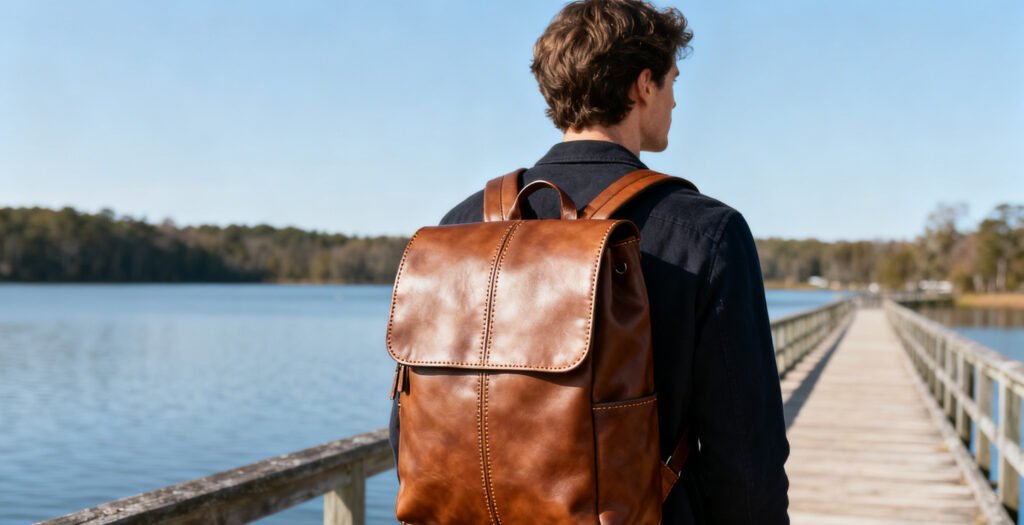
6.Solgaard
Location:Los Angeles, USA
Introduction:An American sustainable travel brand founded by a Norwegian-born founder. Specializes in backpacks made from recycled ocean plastic and PU composite materials.
Backpacks Features:Outer shell made from recycled plastic granules pressed with a PU finish; Anti-theft back panel; TSA lock; Foldable design; Solarbank solar charging version available.
Company Advantages:For every product sold, 5 pounds of ocean plastic waste are cleaned up; modular design facilitates repairs; successful Kickstarter campaign; strong social media marketing.
Cons:The PU layer is relatively thin, resulting in average scratch resistance; the folding structure compromises some of its support; complete after-sales service is only available in the United States.
7.Osprey Packs
Location:Cortez, Colorado, USA
Introduction:Osprey is best known for technical outdoor and travel packs but also produces urban and commuter backpacks that use PU coatings and synthetic leather details. The company focuses on ergonomics, load stability, and long‑term durability.
Backpacks Features:PU‑coated fabrics and PU panels for weather resistance and structure in commuter models. Advanced harness systems, ventilated backs, and sternum/waist straps for comfort.
Company Advantages:Very strong technical know‑how and product testing standards. Experienced in engineering functional features into stylish urban silhouettes.
Cons:Higher price levels and not a low‑cost PU backpack source. Less focus on purely fashion‑driven PU designs.
8.Guangzhou Yoson Leather Products Co., Ltd.
Location:Guangzhou, China
Introduction:They are a wholesale manufacturer specializing in PU leather backpacks, with extensive experience in PU materials, supplying a diverse range of PU backpacks in various styles and uses.
Backpacks Features:PU leather exterior, offering good wear resistance, scratch resistance, and stain resistance. Backpacks are available in multiple colors and sizes.
Company Advantages:Competitive pricing and wholesale prices make it attractive to budget-conscious customers. Suitable for the mid-to-low-end market and bulk orders.
Cons:Focused on PU leather and the wholesale market, the design and functionality are relatively basic. It’s difficult to meet the demands of the high-end market. It has limitations compared to professional outdoor backpack manufacturers.
9.Eastpak
Location:Bornem, Belgium
Introduction:Eastpak is a long‑established backpack and travel gear brand, widely known in Europe for durable everyday and street‑style bags. The company offers PU and faux‑leather variations of its classic shapes for fashion‑oriented consumers.
Backpacks Features:PU versions of classic rectangular daypacks and roll‑tops. Wide color and finish range, from matte PU to high‑gloss leather‑look materials.
Company Advantages:Deep experience with mass‑market backpack production and quality control. Good design variety within a relatively consistent construction approach.
Cons:Not positioned as a dedicated private‑label factory. Less suitable for niche technical features or small MOQs.
10.Mandarina Duck
Location:Bologna, Italy
Introduction:Mandarina Duck specializes in leather goods, backpacks, handbags, and travel items, positioning itself at the intersection of fashion and utility. From its inception, the brand has stood out in a market dominated by conservative designs by using unconventional materials and vibrant colors.
Backpacks Features:Mandarina Duck backpacks generally emphasize urban mobility, ergonomic comfort, and intelligent internal organization, with multiple compartments for laptops, tablets, and daily essentials. All-PU leather exterior; metal logo; geometric cut design; inner lining printed with brand pattern.
Company Advantages:The core advantage lies in combining Italian design aesthetics with a strong emphasis on functionality. The brand features bold and innovative colors and is highly favored by fashion-conscious professionals. It is manufactured in Europe.
Cons:Brands that prioritize functionality over practicality. Their products are typically more expensive. Not suitable for users who prefer understated and minimalist designs.
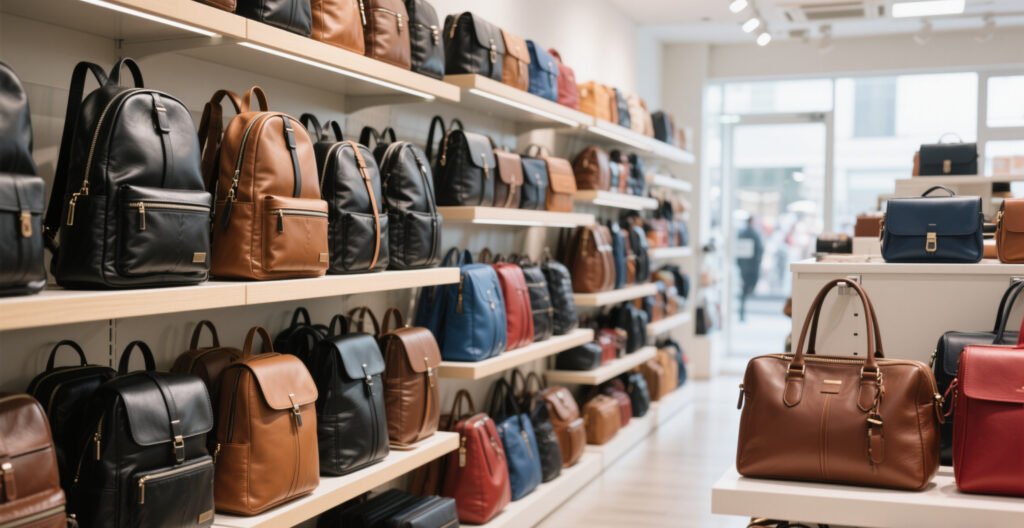
5 Key Indicators for Selecting a High-Quality PU Backpack Factory
When choosing PU backpack manufacturers, focus on these five core indicators:
- Material Quality & Certifications
Check if the factory uses premium PU materials and holds relevant certifications (e.g., REACH, water-based PU compliance). - Production Capacity & Technology
Factories with advanced machinery—computerized cutting, automated stitching, and skilled pattern-making—deliver more consistent results. - Sample Quality & Finish
High-quality stitching, edge painting, hardware durability, and structural integrity indicate strong craftsmanship. - Experience With Your Market
Factories that produce for your product category (fashion, business, luxury, etc.) understand your standards and typical customer preferences. - Communication & After-Sales Support
Responsive communication, fast sample turnaround, and a clear problem-solving process are essential for long-term partnerships.
Common pitfalls and tips to avoid when purchasing PU backpacks
Importers and brand owners often repeat the same mistakes when stepping into the PU backpack category. Avoiding these issues protects your margins and your brand reputation.
Typical pitfalls
- Over‑focusing on price and ignoring PU quality (poor hydrolysis resistance leads to peeling and cracking after short use).
- Skipping pre‑production and mass‑production samples, then discovering color or hardware differences only after cargo arrives.
- Not clarifying testing and certifications before ordering, especially when selling into regions with strict regulations.
Tips to avoid problems
- Always approve material swatches and finished samples under the same lighting conditions as your product photoshoot environment.
- Define clear AQL standards, packaging requirements, and after‑sales policies in your purchase contract.
- Start with a smaller trial order to test real‑market feedback and factory reliability before scaling up.
How to Choose Reliable PU Backpack Manufacturers
Selecting a reliable PU backpack manufacturer requires a systematic evaluation and comprehensive consideration. The following are specific steps and suggestions:
Clearly Define Needs and Standards
Before starting the procurement process, brands should clearly define their needs and standards, including:
- Product Positioning: Is it a high-end luxury product, a mid-range fashion product, or a mass-market consumer product?
- Functional Requirements: Does it require specific functions such as waterproofing, wear resistance, and lightweight design?
- Environmental Requirements: Does it need to meet specific environmental standards or certifications?
- Design Style: Is it a simple business style or a fashionable and trendy style?
Selecting Potential Suppliers
Based on needs and standards, brands can screen potential PU backpack manufacturers:
- Industry Reports: Refer to the latest luggage industry reports to understand leading backpack manufacturers.
- B2B Platforms: Screen suppliers through platforms such as Alibaba International.
- Brand Collaboration Cases: Examine whether the supplier has experience collaborating with well-known brands.
- Certifications: Check if the supplier possesses the necessary international certifications and environmental standards.
On-site Inspection and Sample Testing
After screening potential suppliers, brands should conduct on-site inspections and sample testing:
- Factory Visit: On-site inspection of the supplier’s production environment and equipment.
- Sample Testing: Conducting various performance tests on samples.
- Quality Control: Understanding the supplier’s quality control system and testing capabilities.
- Supply Chain Management: Assessing the supplier’s raw material supply and inventory management capabilities.
Evaluating Collaboration Models and Contract Terms
After identifying potential suppliers, brands should evaluate their collaboration models and contract terms:
- Customization capabilities: Can the supplier customize products according to the brand’s needs?
- Delivery time: Does the supplier’s delivery capability meet the brand’s time requirements?
- Payment methods: Does the supplier accept phased payments or offer other flexible arrangements?
- After-sales service: Does the supplier provide comprehensive after-sales service and warranty terms?
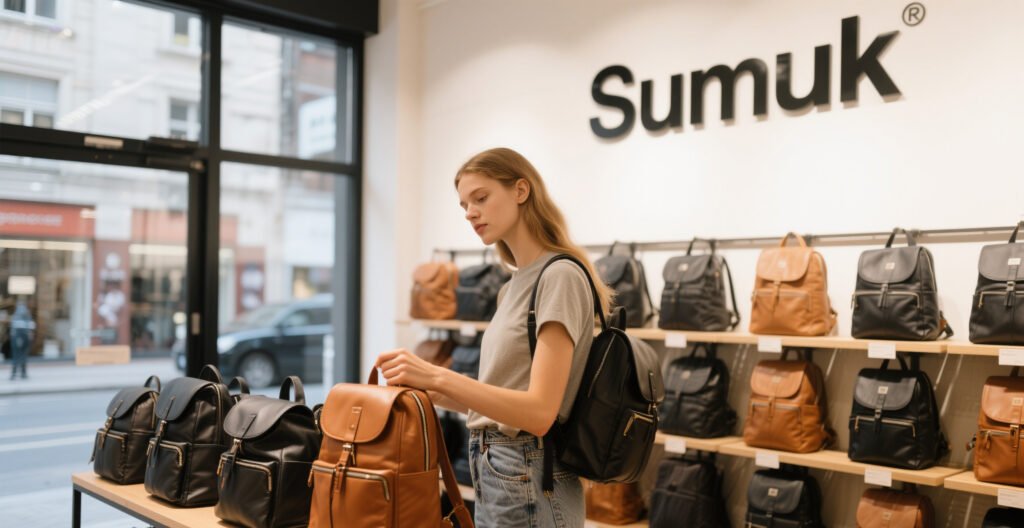
How to Choose the Idea PU Backpack Supplier for Your Brand
Choosing the most suitable PU backpack manufacturer for your brand requires considering multiple factors, including brand positioning, target market, and product requirements. Here are some specific suggestions:
Select suppliers based on brand positioning
- High-end brands: Choose manufacturers with high-end PU material processing capabilities and international certifications.
- Mid-range brands: Choose manufacturers with medium-scale and stable production capabilities.
- Mass-market brands: Choose manufacturers with cost advantages and large-scale production capabilities.
Consider the regulatory requirements of the target market
Different regional markets have different regulatory requirements for PU backpacks. Brands should choose manufacturers that can meet these requirements:
- EU market: Choose manufacturers certified by REACH, OEKO-TEX®, and EUDR.
- North American market: Choose manufacturers certified by RoHS, ASTM, and CPC.
- Asia-Pacific market: Choose manufacturers who understand local consumer preferences and regulatory requirements.
Assessing Suppliers’ Innovation and Technological Capabilities
In a highly competitive market, innovation and technological capabilities are core competencies for suppliers. Brands should choose manufacturers with the following capabilities:
- Material R&D: Ability to develop new PU materials, such as TPU nanofiber membranes and bio-based PU.
- Process Innovation: Mastery of advanced PU material processing technologies, such as hot-melt adhesive film technology and seamless welding processes.
- Design Capabilities: Possessing a professional design team capable of providing innovative design solutions based on brand needs.
- Technological Collaboration: Willingness to collaborate with brands to develop new technologies and products, driving industry progress.
Assessing Suppliers’ Global Service Capabilities
As brands accelerate their internationalization process, suppliers’ global service capabilities have become particularly important. Brands should choose manufacturers that can provide the following services:
- Multilingual support: Ability to communicate and collaborate in the language of the brand’s country.
- Logistics support: Ability to provide efficient international logistics solutions.
- Market insight: Understanding consumer trends and the competitive landscape in target markets.
Frequently Asked Questions (FAQs)
The best-quality backpacks are typically produced by manufacturers with strict material sourcing, reinforced stitching, and advanced molding processes. Many PU backpack manufacturers specializing in premium synthetic leather offer top-tier consistency, durability, and modern designs.
Global backpack production is dominated by large OEM/ODM factories in China and Southeast Asia. These high-capacity PU backpack manufacturers supply major retail brands worldwide and handle mass-scale production with strict quality control systems.
PU leather can be less breathable, less heat-resistant, and may wear faster under extreme use compared to natural leather. It can also peel over time if poorly manufactured.
PU leather is not as long-lasting as real leather, but high-grade PU can offer a similar appearance, lighter weight, lower cost, and easier maintenance—making it ideal for fashion-focused backpacks.
Brands known for durability often use high-density fabrics, reinforced seams, and premium PU finishes. Many top labels rely on trusted PU backpack manufacturers to ensure long product life and consistent quality.
A PU backpack is made from polyurethane leather, a synthetic material designed to mimic genuine leather’s look and feel while remaining lightweight, water-resistant, and cost-effective.
PU leather is water-resistant, not fully waterproof. It can withstand light rain, but extended exposure to water may cause moisture penetration.
Yes. PU leather is an artificial material made to look like real leather. Although synthetic, high-grade PU can be durable, stylish, and environmentally friendlier than animal leather.