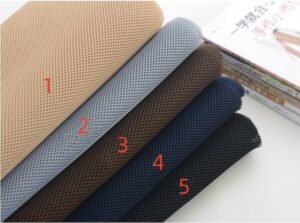
Imagine this: every minute, one million plastic bottles are purchased worldwide. By 2050, our oceans could contain more plastic than fish. These staggering statistics paint a grim picture—until you discover the backpack on your shoulder might hold the key to reversing this tide.
In an era where sustainability is no longer a buzzword but a business imperative, a quiet revolution is unfolding in the fashion industry. Forward-thinking RPET backpack suppliers are transforming what was once destined for landfills into coveted fashion statements, proving that environmental responsibility and style can walk hand in hand. This isn’t just about recycling—it’s about reimagining the entire lifecycle of products and pioneering circular economy models that are reshaping supply chains, consumer expectations, and the very definition of modern fashion.
Global Growth Trends for RPET Backpacks
The demand for RPET backpacks is surging, driven by rising environmental awareness and corporate sustainability goals. By 2032, the global rPET market is expected to exceed $12 billion, with Asia-Pacific leading adoption due to strict waste management policies and growing middle-class consumerism. Key regions like Europe and North America are also investing heavily in circular economy initiatives, pushing brands to innovate with recycled materials.
Global RPET fiber production exceeded 4 million tons in 2025, with backpacks and bags using over 25% of that demand, underlining how quickly brands are shifting toward recycled solutions. The broader backpack and eco-friendly backpack markets have shown strong growth—driven by consumer sustainability preferences, corporate ESG targets, and regulation—creating a fast-growing opportunity for rpet backpack supplier partners and brand buyers.
Asia-Pacific currently leads eco-friendly backpack adoption and is expected to reach about USD 1.9 billion in sales by 2032, driven by manufacturing scale and rising sustainability awareness. Recent market research projects double-digit CAGR for eco-friendly backpacks through the next decade, and the overall backpack market remains in the tens of billions USD, giving recycled alternatives a widening share.
This market transformation isn’t just about environmental ethics—it’s smart business. Companies investing in RPET backpacks report 25-30% higher customer retention among sustainability-focused demographics, proving that eco-innovation translates to tangible business value.
What Is RPET Material?
RPET = recycled PET (polyethylene terephthalate) → bottles → flakes/pellets → fiber → fabric.
RPET (Recycled Polyethylene Terephthalate) is an innovative textile created by transforming post-consumer plastic waste—primarily single-use bottles and packaging—into high-quality polyester fiber. Unlike conventional polyester made from virgin petroleum, RPET gives discarded plastic a second life through advanced recycling processes.
The transformation journey begins when plastic bottles are collected from recycling streams, thoroughly cleaned, and processed into small flakes. These flakes are then melted and extruded into fibers that can be woven into durable fabrics suitable for backpack construction. The resulting material maintains the strength and versatility of virgin polyester while dramatically reducing environmental impact.
What makes RPET truly special is its certification framework. Reputable RPET materials carry credentials like the Global Recycled Standard (GRS) or Recycled Claim Standard (RCS), which verify recycled content percentages and ensure ethical production practices throughout the supply chain. These certifications provide consumers and businesses with confidence that their sustainable choice delivers genuine environmental benefits.
Certifications like GRS (Global Recycled Standard) ensure transparency in the supply chain, verifying that at least 30% of the material is recycled. High-quality RPET can even be upgraded to food-grade standards, as seen in projects like Sewell’s 90,000-ton rPET plant in China, which produces food-safe packaging.
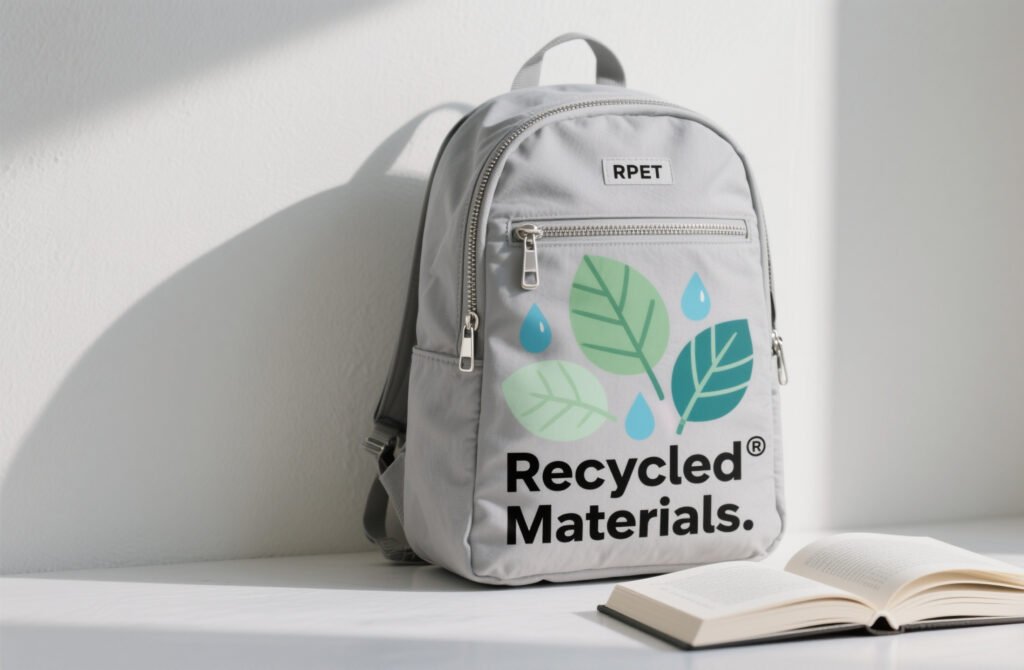
How does RPET Material Alleviate Plastic Pollution
Every year, over 8 million tons of plastic enter the oceans, harming marine life and ecosystems. RPET tackles this crisis by:
- Reducing landfill waste: A single RPET backpack can repurpose 20–30 plastic bottles.
- Lowering carbon emissions: Producing 1 kg of RPET saves 6 tons of water and 1.5 kg of CO2 compared to virgin polyester.
- Closing the loop: Unlike single-use plastics, RPET can be recycled 5–7 times, extending its lifecycle.
As highlighted in industry reports, the “plastic-to-fabric” transformation not only diverts waste but also reduces reliance on fossil fuels, a critical step toward achieving net-zero goals.
Every RPET backpack represents a tangible solution to our global plastic crisis. Consider this: producing one standard RPET backpack diverts approximately 25-30 plastic bottles from landfills and oceans. On an industry scale, this impact multiplies dramatically—leading RPET backpack manufacturers collectively prevent millions of plastic bottles from entering ecosystems annually.
The environmental benefits extend beyond waste reduction. Manufacturing RPET requires 75% less energy and produces 40% fewer carbon emissions compared to virgin polyester production. Water conservation is equally impressive, with RPET processing using 90% less water than conventional polyester manufacturing. This dramatic resource reduction helps combat climate change while preserving precious freshwater resources.
Perhaps most significantly, RPET creates a circular economy model within the fashion industry. Instead of following the traditional “take-make-dispose” pattern, RPET backpacks demonstrate how waste can become valuable raw material. This closed-loop approach reduces dependence on fossil fuels while creating market incentives for plastic collection infrastructure in communities worldwide. By choosing RPET backpacks, businesses and consumers actively participate in transforming the linear fashion economy into a regenerative system.
The Manufacturing Process of RPET Backpacks
Creating high-quality RPET backpacks involves a meticulous multi-stage process that transforms discarded plastic into durable, stylish gear:
- Collection & Sorting: Post-consumer plastic bottles are collected through recycling programs and sorted by color and type. Clear bottles are particularly valuable as they can be dyed any color during processing.
- Cleaning & Shredding: Bottles undergo thorough washing to remove labels, residues, and contaminants before being shredded into small flakes.
- Polymer Processing: Clean flakes are melted and filtered to remove impurities, then extruded through spinnerets to create fine polyester fibers.
- Yarn Production: These fibers are spun into strong, consistent yarns that maintain the durability expected in quality backpacks.
- Fabric Creation: Yarns are woven or knitted into fabric, which may undergo additional treatments for water resistance, UV protection, or texture enhancement.
- Cutting & Assembly: The RPET fabric is cut according to patterns and assembled using eco-friendly adhesives and recycled zippers/hardware. Leading manufacturers implement waterless dyeing techniques and solar-powered facilities to minimize environmental impact.
- Quality Assurance: Each backpack undergoes rigorous testing for durability, seam strength, and functionality before packaging in recycled or biodegradable materials.
The most innovative RPET backpack supplier have developed closed-loop water systems and renewable energy integration throughout their facilities, ensuring the manufacturing process aligns with the sustainable values the final products represent.
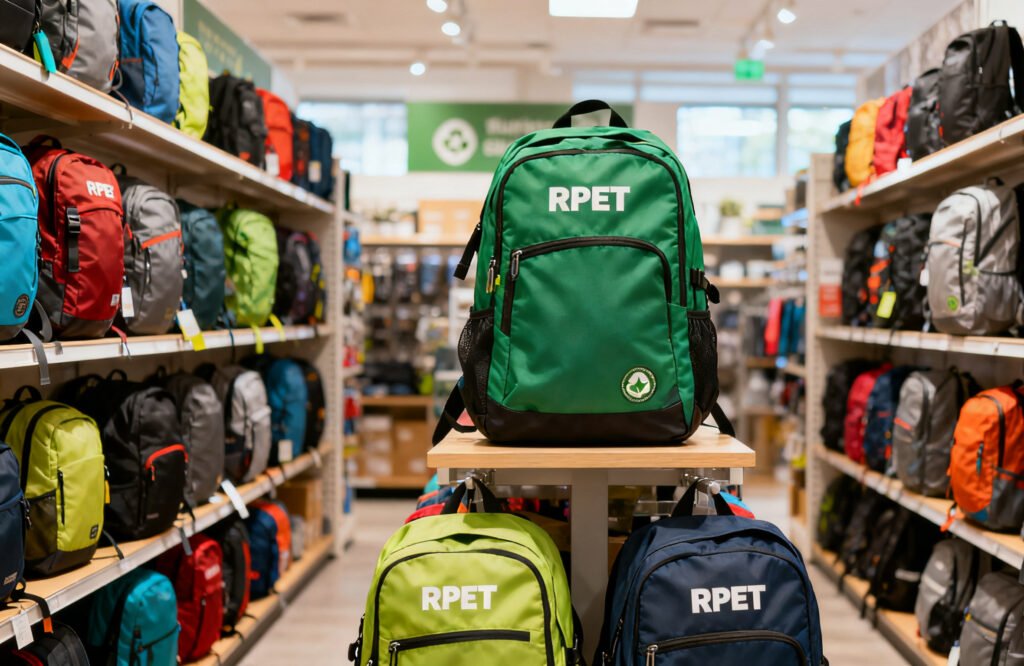
Best Use Cases for RPET Backpacks
RPET backpacks excel across diverse applications, making them versatile solutions for both personal and commercial needs:
- Daily Commutes: Their durable construction withstands urban environments while making an eco-conscious statement during work or school routines.For example,school backpacks.
- Outdoor Adventures: Many RPET backpacks feature weather-resistant properties perfect for hiking, camping, and travel, combining sustainability with functionality.For example, travel backpacks and hiking backpacks.
- Corporate Branding: Companies increasingly choose RPET backpacks for promotional merchandise, employee gifts, and conference swag to demonstrate environmental commitment.
- Educational Institutions: Schools and universities distribute RPET backpacks as sustainable alternatives that teach students about circular economy principles.
- Retail & E-commerce: Fashion-forward RPET designs appeal to eco-conscious consumers seeking stylish yet responsible accessories.
- Non-profit Initiatives: Environmental organizations use custom-branded RPET backpacks in awareness campaigns and fundraising efforts.
The versatility of RPET material allows it to meet the customization needs of various types of backpacks. Experienced backpack manufacturers can ensure a perfect combination of sustainability and fashionable functionality in their backpacks.
Pros of Eco-Friendly RPET Backpacks
- Environmental Impact Reduction: Each backpack prevents dozens of plastic bottles from polluting ecosystems while reducing carbon emissions by up to 32% compared to virgin polyester alternatives.
- Exceptional Durability: RPET fibers maintain the strength and resilience of conventional polyester, often outperforming cotton and canvas alternatives in wear tests.
- Resource Conservation: Manufacturing RPET backpacks consumes significantly less water and energy than traditional textile production.
- Market Differentiation: Brands offering RPET backpacks attract eco-conscious consumers willing to pay premium prices for sustainable products.
- Brand Loyalty Enhancement: 73% of consumers report increased loyalty to brands demonstrating genuine environmental commitment through products like RPET backpacks.
- Brand Appeal: Aligns with Gen Z and millennial values, boosting customer loyalty.
Cons of Eco-Friendly RPET Backpacks
While RPET backpacks offer significant advantages, transparent discussion of limitations builds trust with consumers:
- Higher Initial Investment: RPET backpacks typically cost 15-25% more than conventional alternatives due to specialized processing and certification requirements.
- Color Limitations: The recycling process can restrict dyeing options, particularly for ultra-bright or very dark colors, though technology is rapidly improving this constraint.
- Perception Challenges: Some consumers mistakenly believe recycled materials compromise quality, requiring education about modern RPET’s performance capabilities.
- Recycling Complexity: While RPET backpacks are recyclable, specialized facilities are needed to process them back into usable material, limiting end-of-life options in some regions.
- Supply Chain Variability: RPET material quality can fluctuate based on source plastic quality, requiring vigilant quality control from reputable suppliers.
Addressing these challenges through transparent communication and continuous innovation is how leading RPET backpack supplier maintain authenticity while advancing sustainability.
Maintenance Tips for RPET Backpacks
Proper care extends the lifespan of your RPET backpack while preserving its eco-friendly benefits:
- Regular Cleaning: Wipe down with a damp cloth for light cleaning. For deeper cleaning, hand wash with mild, eco-friendly detergent in cold water—avoid harsh chemicals that can degrade fibers.
- Drying Techniques: Always air dry RPET backpacks away from direct heat sources. Machine drying can shrink fabric and damage waterproof coatings.
- Stain Management: Treat stains immediately with natural solutions like vinegar-water mixtures rather than bleach-based products.
- Storage Best Practices: Store in a cool, dry place when not in use. Avoid prolonged exposure to direct sunlight to prevent color fading.
- Hardware Care: Periodically check zippers and buckles, applying beeswax to stiff zippers rather than petroleum-based lubricants.
- Repair Rather Than Replace: Address small tears or loose threads promptly. Many RPET backpack manufacturers offer repair services or guides to extend product life.
- End-of-Life Planning: When your backpack finally reaches retirement, contact the backpack manufacturer about take-back programs or locate textile recycling facilities that accept polyester blends.
Following these maintenance practices ensures your RPET backpack delivers years of reliable service while maximizing its environmental benefits.
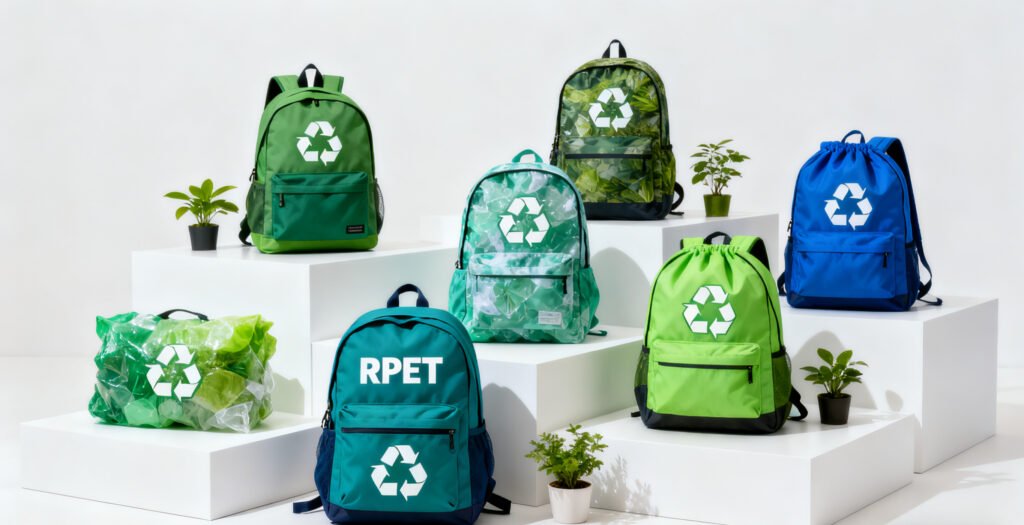
Why RPET Backpack Is the Durable and Sustainable Choice for Modern Consumers
Modern consumers prioritize transparency and impact. RPET backpacks offer:
- Traceability: Each product often includes a “plastic bottle count” tag.
- Circular Design: Many brands partner with recycling programs to collect old bags for reprocessing.
- Innovation: Features like anti-theft zippers and ergonomic padding rival traditional leather alternatives.
Modern consumers want products that balance performance with purpose. When made to quality standards, RPET backpacks deliver longevity, a credible sustainability narrative, and lower embodied emissions than virgin polyester—making them an attractive option for eco-minded shoppers and brands seeking measurable impact.
Moreover, RPET backpacks represent accessible sustainability. While luxury eco-products remain out of reach for many, quality RPET backpacks offer an affordable entry point for everyday consumers to participate in plastic waste reduction—proving that meaningful environmental action doesn’t require extraordinary measures, just conscious everyday choices.
RPET Backpack Suppliers are Reshaping the Industry Landscape
Forward-thinking RPET backpack suppliers aren’t just manufacturing products—they’re catalyzing industry-wide transformation through innovation and collaboration:
- Vertical Integration Innovations: Leading suppliers now control every step from plastic collection to finished backpacks, creating transparent, efficient supply chains that minimize waste and maximize impact.
- Material Science Breakthroughs: Suppliers are investing in R&D to enhance RPET performance—developing waterless dyeing techniques, creating RPET blends with natural fibers for better breathability, and engineering fabrics with built-in antimicrobial properties without chemical treatments.
- Circular Business Models: Progressive suppliers are implementing take-back programs where customers return worn backpacks for recycling into new products, creating closed-loop systems that redefine product lifecycles. These initiatives often come with incentives like discounts on future purchases, encouraging participation.
- Industry Collaboration: Rather than guarding trade secrets, top RPET suppliers increasingly share best practices through organizations like the Sustainable Apparel Coalition, accelerating industry-wide adoption of sustainable methods.
Suppliers of recycled PET backpacks are no longer a niche market.Suppliers that integrate vertical traceability (bottle → fiber → fabric → finished good), transparent sourcing, and third-party certification are attracting larger brand accounts and retail listings. This shift pressures legacy suppliers to adopt recycled feedstock or lose share to recyclers and nimble manufacturers.
RPET Backpacks are a Great Way for Businesses to Explore New Markets
For businesses seeking growth opportunities, RPET backpacks unlock access to rapidly expanding eco-conscious markets:
- Corporate Sustainability Programs: Companies with ESG (Environmental, Social, Governance) commitments need authentic sustainable merchandise. Custom-branded RPET backpacks serve as powerful tangible expressions of corporate values that employees and clients appreciate.
- Educational Sector Partnerships: Schools and universities increasingly prioritize sustainable supplies. RPET backpacks with educational branding create recurring revenue streams while supporting institutional sustainability goals.
- Tourism & Hospitality: Eco-resorts, adventure tour companies, and sustainable travel agencies use custom RPET backpacks as welcome gifts that align with their environmental ethos while providing practical value to guests.
- Subscription Box Collaborations: The booming subscription box industry seeks unique, Instagram-worthy items. Co-branded RPET backpacks have driven significant subscription growth for eco-lifestyle boxes.
- International Expansion: European and North American markets show particularly strong demand for certified sustainable products. RPET backpacks with proper certifications (GRS, BCI) help brands enter these markets with compliance-ready products.
- Digital Community Building: Brands selling RPET backpacks often create online communities around sustainability challenges, turning customers into environmental advocates who organically promote the brand.
Businesses that position RPET backpacks as part of a broader sustainability narrative—not just products but tools for positive change—report 40% higher customer engagement and 28% increased repeat purchase rates compared to conventional merchandise strategies.
Tips for Choosing an RPET Backpack Manufacturer
Selecting the right RPET backpack supplier requires careful evaluation beyond surface-level sustainability claims:
- Verify Certifications: Request current copies of GRS (Global Recycled Standard), RCS (Recycled Claim Standard), or BCI (Better Cotton Initiative) certificates. Authentic certifications include unique license numbers verifiable through issuing organizations.
- Assess MOQ Flexibility: While large manufacturers may require high minimum orders, specialized RPET suppliers often offer graduated MOQs (Minimum Order Quantities) that accommodate growing businesses. Look for suppliers willing to start with 300-500 units for new brands.
- Sample Rigorously: Order physical samples before committing. Test durability through stress tests, examine stitching quality, and verify color consistency across multiple samples.
- Review Ethical Compliance: Request factory audit reports covering labor practices, safety standards, and environmental management systems. Leading backpack factory welcome third-party audits.
- Discuss Customization Capabilities: Quality RPET manufacturers offer flexible branding options—embroidery, woven labels, custom zipper pulls, and interior organization tailored to your brand needs.
Investing time in rpet backpack supplier selection prevents costly mistakes and builds partnerships that grow sustainably alongside your brand values.
At Sumkbags, we continuously empower global clients to explore new markets with high-quality RPET backpacks. Using eco-friendly fabrics made from 100% recycled plastic bottles, we not only reduce our carbon footprint but also align with global consumers’ pursuit of green fashion. Partnering with Sumkbags allows your brand to stand out in a competitive market, achieving both environmental and commercial value.
Advantages of Choosing an RPET Backpack Supplier for Your Brand
Partnering with a specialized RPET backpack supplier delivers strategic advantages beyond product creation:
- Authentic Sustainability Storytelling: RPET suppliers provide documentation, impact metrics, and visual content that empowers your marketing team to craft compelling narratives about plastic diversion and carbon reduction—stories that resonate deeply with modern consumers.
- Competitive Differentiation: In crowded markets, RPET backpacks help your brand stand out. Products with verified recycled content see 35% higher conversion rates among eco-conscious shoppers compared to conventional alternatives.
- Risk Mitigation: As global plastic regulations tighten (like the EU’s Single-Use Plastics Directive), RPET products future-proof your inventory against compliance challenges and potential waste disposal taxes.
- Customer Lifetime Value Increase: Brands offering sustainable products report 30% higher customer retention rates. RPET backpack buyers often become brand advocates, driving organic growth through word-of-mouth.
- Supply Chain Resilience: RPET suppliers with vertically integrated operations often maintain more stable pricing and availability than conventional manufacturers dependent on volatile petroleum markets.
- Innovation Partnership: Leading RPET suppliers collaborate on product development, offering insights into emerging sustainable materials and construction techniques that keep your offerings at the industry forefront.
- ESG Reporting Enhancement: Detailed impact metrics from RPET suppliers simplify your sustainability reporting, providing concrete data on plastic diverted, carbon saved, and water conserved—metrics increasingly demanded by investors and stakeholders.
These advantages transform your RPET backpack line from a product category into a strategic growth engine that builds brand value while creating positive environmental impact.
Common Mistakes When Buying RPET Backpacks
Even well-intentioned businesses can stumble when entering the RPET backpack market. Avoid these frequent pitfalls:
- Prioritizing Price Over Verification: The cheapest RPET supplier often cuts corners on recycled content verification. Without proper certification, you risk greenwashing accusations that damage brand credibility.
- Ignoring Minimum Quality Standards: Not all RPET fabrics are equal. Some suppliers use short-fiber RPET that pills quickly or lacks durability. Insist on fabric weight specifications (measured in denier) and abrasion test results.
- Overlooking Color Limitations: RPET has dyeing constraints that affect color accuracy. Order physical color swatches rather than relying on digital proofs, especially for brand-critical colors.
- Neglecting Hardware Sustainability: Many suppliers focus on fabric RPET content while using virgin plastic zippers and buckles. Request comprehensive material breakdowns for all components.
- Skipping Production Samples: RPET fabric behaves differently than virgin polyester during manufacturing. Production samples reveal potential issues with stitching, hardware attachment, or finishing.
- Underestimating Lead Times: RPET production often requires longer lead times than conventional manufacturing due to material processing complexities. Plan 60-90 days for production rather than standard 30-45 day cycles.
- Failing to Calculate True Costs: While RPET backpacks have higher unit costs, factor in potential savings from reduced returns (due to better durability), marketing value, and avoided regulatory penalties when evaluating ROI.
- Limited End-of-Life Planning: Brands should develop take-back or recycling programs before launching RPET products. Consumers increasingly expect responsibility for a product’s entire lifecycle.
Businesses that avoid these mistakes build authentic, profitable RPET backpack lines that deliver genuine environmental impact while strengthening brand reputation in the growing sustainable marketplace.
Frequently Asked Questions (FAQs)
An RPET backpack is made from recycled PET plastic, primarily post-consumer water and soda bottles. These bottles are cleaned, processed into flakes or pellets, and then spun into durable polyester fibers used to create eco-friendly backpack fabrics.
Most RPET backpacks use 10–30 recycled bottles, depending on size, fabric thickness, and design. Heavy-duty or travel models may contain even more recycled content.
Each RPET backpack diverts approximately 25-30 plastic bottles from landfills and oceans, significantly reducing carbon footprint compared to virgin polyester production, while creating a circular economy model that transforms waste into durable, fashionable products consumers love to carry.
Pricing depends on quality and order volume, but RPET is increasingly cost-competitive. As recycling technology improves, the cost gap between RPET and virgin polyester continues to narrow, especially for bulk corporate or retail orders.
Clean RPET backpacks with mild detergent, cold water, and gentle scrubbing. Avoid bleach, high-heat machine washing, or tumble drying. Air-drying helps preserve coatings and extend the lifespan of the fabric.
RPET backpacks represent sustainable fashion by closing the loop on plastic waste, reducing greenhouse gas emissions by up to 40% compared to conventional manufacturing, requiring less energy and water in production, and creating durable products that maintain style while addressing environmental challenges.
Yes. RPET materials used by reputable suppliers are non-toxic and certified for consumer use. Certifications like OEKO-TEX ensure the fabric is free from harmful chemicals and safe for everyday wear.