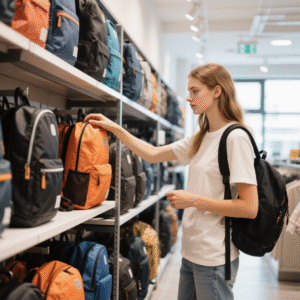
As a parent, you want more than just a cute backpack for your child — you want safety, comfort, durability, and peace of mind. When you start searching for the best children backpack factory, you are really asking one important question: How can you choose a backpack that truly protects your child’s growing body while lasting through daily school life?
Choosing the right children backpack is not only about style. It is about supporting healthy posture, reducing shoulder strain, and ensuring your child carries their essentials comfortably every single day. That is why selecting a reliable Children Backpack Factory matters more than you might think.
A professional children backpack factory understands what parents care about most: lightweight materials, ergonomic design, safe fabrics, and strong stitching that can handle active kids. When you choose backpacks made by an experienced manufacturer, you are investing in quality that supports your child’s development — not just a school accessory.
As you continue reading, you will discover how the right children backpack factory combines design expertise, safety standards, and child-friendly innovation to help you make the best decision for your child. Because when it comes to your children, choosing the best is not optional — it is essential.
How to Choose Backpack for Your Children
Selecting the ideal backpack for your child involves balancing ergonomics, functionality, and personal preferences. Begin by measuring your child’s back from shoulder to waist to determine appropriate sizing—backpacks should never extend above shoulder level or hang below the waistline. For elementary school children, look for packs between 12-15 inches tall with padded, adjustable shoulder straps that distribute weight evenly. The backpack’s weight when empty matters significantly; quality options typically weigh less than 1-1.5 pounds to avoid contributing to overall load.
Consider your child’s daily routine: students carrying textbooks need structured compartments with padded laptop/tablet sleeves, while younger children benefit from simpler designs with easy-access pockets for snacks and small treasures.
Involve your child in the selection process by offering two or three parent-approved options—this builds excitement about school while teaching responsibility for their belongings.
Children Backpack Styles and Their Usage Scenarios
Understanding styles helps match the bag to lifestyle and purpose. A Children Backpack Factory will typically offer several proven formats:
- Mini / Preschool backpacks: Small, lightweight, often with one main compartment and a flat profile. Best for toddlers and preschoolers for carrying a snack, a small toy, and a change of clothes.
- Elementary school backpacks: Medium size with compartments for folders, lunch, and a water bottle. Reinforced base and padded straps are standard. Ideal for daily school use and short field trips.
- Kindergarten-to-grade school hybrid: Simple front pocket, main compartment, and side bottle pockets. Designed for younger kids who need lightweight practicality.
- Activity-specific backpacks (sports / hiking / swim): These have ventilated compartments, wet/dry separation, or reinforced bottoms. Choose the style based on extracurricular needs.
- Custom / promotional backpacks: For brands or schools, factories can create custom prints, logos, and colorways — useful for identity and bulk ordering.
Pick the style that fits daily routines first; aesthetics come second. A good Children Backpack Factory can advise on trade-offs (e.g., capacity vs. weight, wheels vs. portability) and offer samples that illustrate real-world fit.
How Important is Backpack Quality for Your Children?
As parents, you would carefully research the safety of car seats and mattresses. Similarly, the fact that your child carries a backpack weighing over 30 pounds of books every day deserves the same level of attention. This proactive approach to physical health demonstrates how seemingly small parenting choices can accumulate into significant health outcomes as your child grows.
Backpack quality directly impacts your child’s physical development, comfort, and even academic performance. Poorly constructed backpacks with inadequate padding or uneven weight distribution can lead to chronic shoulder, neck, and back pain—potentially causing posture problems that persist into adulthood. According to orthopedic specialists, children should carry no more than 10-15% of their body weight in their backpacks, making lightweight materials and ergonomic design non-negotiable features.
Investing in quality backpacks also teaches children to value well-made items, potentially reducing consumption patterns and developing appreciation for craftsmanship. When backpacks withstand multiple school years or can be handed down to siblings, they represent both physical and economic value—preventing the need for mid-year replacements that disrupt routines and strain family budgets.
Ultimately, the backpack your child carries becomes a tangible expression of family values and parental care that resonates emotionally throughout their school experience. A well-chosen backpack communicates that you value their comfort and safety enough to invest thoughtfully—reinforcing their sense of being protected even when you’re not physically present. When children take pride in durable, functional backpacks that last through adventures and challenges, they develop stronger self-confidence and responsibility.
Why Choosing the Right Children Backpack Factory Matters
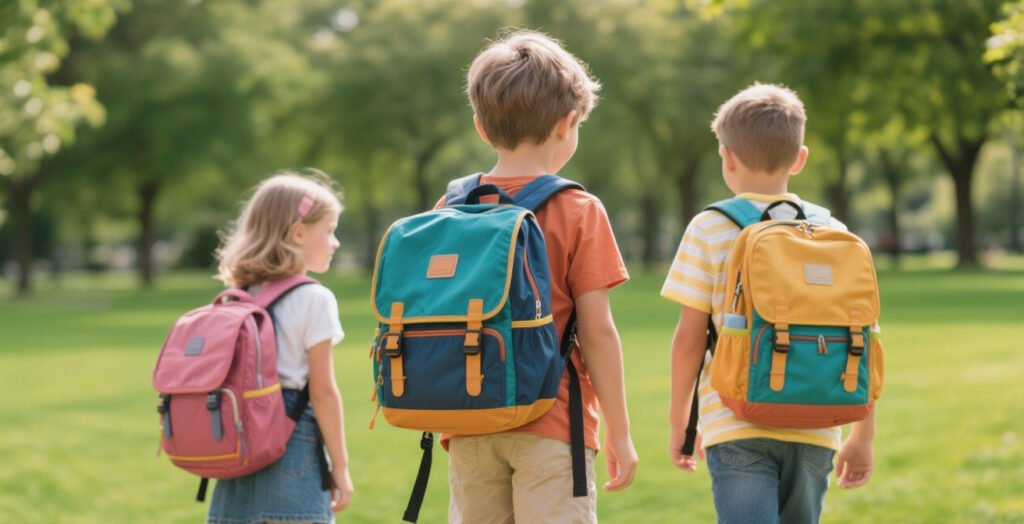
Selecting an exceptional Children Backpack Factory fundamentally determines whether your child receives a product that prioritizes wellbeing over aesthetics alone. Reputable manufacturers invest in pediatric ergonomic research, collaborating with orthopedic specialists to design backpacks that accommodate developing spines and musculature. These factories implement rigorous quality control systems that examine every stitch, zipper, and material batch.
A child-focused factory understands developmental stages thoroughly, creating age-appropriate designs rather than simply shrinking adult backpack patterns. Factories that specialize in children’s products typically offer better warranties and responsive customer service when issues arise, recognizing that children’s accessories endure more rigorous daily use than adult counterparts. This expertise creates a foundation of trust that extends beyond transactional relationships to genuine partnerships in child development.
How to Choose the Best Children Backpack Factory
Identifying the optimal Children Backpack Factory requires methodical evaluation beyond surface-level marketing claims. Follow this practical, step-by-step selection process to identify the best Children Backpack Factory for your needs:
- Define your product and target requirements: Size, weight target, materials, number of compartments, safety features, certifications, expected order volume, target price per unit, and desired lead times.
- Request capability and compliance documentation: Ask potential factories for ISO/quality certifications, test lab reports (for chemical safety and flammability), and previous product samples.
- Evaluate sample quality and fit: Request physical samples or detailed photos. Inspect seam finishes, strap stitching, hardware robustness, and print quality.
- Review factory processes: Ask about raw material sourcing, incoming inspection procedures, in-line QC, and final inspection criteria. Verify their testing regimen for zippers, straps, seams, and colorfastness.
- Confirm ethical and environmental policies: Ensure the factory follows safe labor practices, reasonable working hours, and responsible chemical management. Ask about sustainable materials and waste reduction practices if that’s important to your brand.
- Negotiate terms and pilot runs: Start with a small pilot order to validate production quality and timelines before scaling up to larger runs.
- Set clear quality agreements: Define acceptance criteria, reject rates, rework rules, and remedies in the contract to avoid ambiguity.
This structured selection process reduces risk and helps build a long-term relationship with a Children Backpack Factory that aligns with your brand and safety priorities.
Key Factors to Consider When Choosing a Childrens Backpack Factories
When evaluating potential manufacturing partners, prioritize these critical factors that distinguish exceptional Children Backpack Factory operations from standard producers.
- Safety & Certification: Presence of relevant test reports (material safety, chemical content), adherence to regional regulations (e.g., CPSIA, EN standards), and third-party lab testing.
- Quality Management Systems: ISO 9001 or equivalent process control systems and documented inspection procedures.
- Materials Sourcing: Reliable suppliers for fabrics, hardware (zippers, buckles), foam, and linings. Traceability and documented material certificates matter.
- Production Capacity & Lead Times: Ability to meet your volumes and seasonal peaks, with transparent lead-time forecasts.
- Prototyping & R&D Support: Designers and engineers who can iterate on prototypes and recommend functional improvements.
- Testing and QA Labs: In-house or partnered labs for tensile tests, colorfastness, seam strength, and chemical analysis.
- Social Compliance & Ethics: Audits or certifications that confirm safe working conditions and fair wages.
- Communication and Supply Chain Transparency: Clear points of contact, production updates, and the ability to share photos/VOCs during runs.
- Flexibility & Customization: Range of printing, embroidery, and material finishing options, plus minimum order quantities (MOQs) that match your needs.
- After-sales Support: Return handling, warranty policies, and spare parts availability for hardware.
How a Reliable Children Backpack Factory Ensures Bag Quality
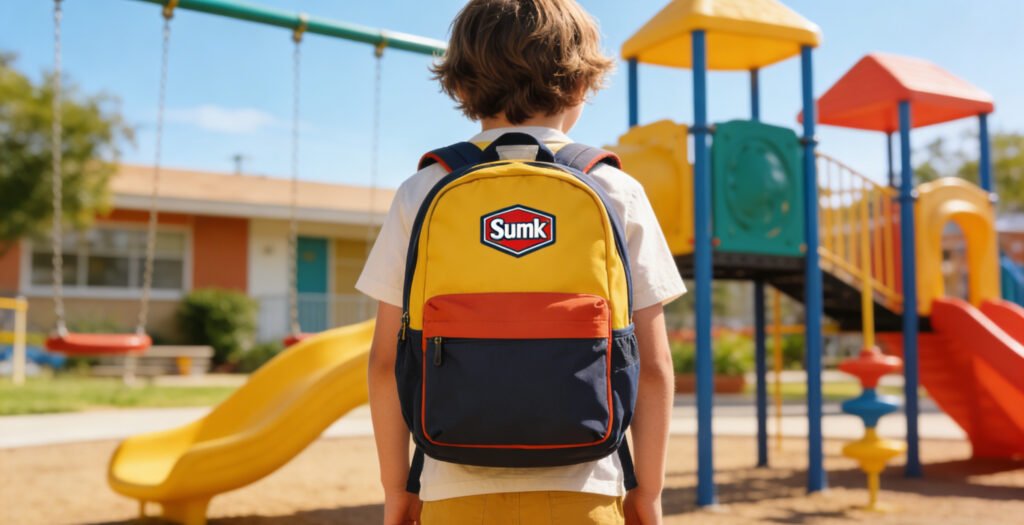
Reliable backpack factory combine technical controls, human expertise, and documentation to ensure consistent bag quality:
- Design validation and prototyping: Functional samples undergo wear-testing and child-fit checks. Pattern making and prototyping catch stress points before mass production.
- Material inspection (IQC): Incoming Quality Control checks fabric weight, coating, hardware strength, and color consistency against approved samples before production begins.
- Standardized assembly processes: Work instructions, jigs, and tooling reduce variation. Key operations—like strap attachment and bar-tack reinforcement—use standardized stitch counts and thread types.
- In-line quality checks (IPQC): Inspections during production catch defects early: stitching, alignment, zipper function, and print registration.
- End-of-line inspection (FQA): Final checks verify dimensional tolerances, functional features (buckles, zippers), labeling accuracy, and packaging.
- Random sample testing: Tensile tests for straps, load tests for handles, abrasion tests for bases, and colorfastness testing simulate real-world use.
- Third-party testing and certification: Sending samples to accredited labs for chemical and safety testing adds credibility and legal compliance.
These combined systems are what separate a reliable Children Backpack Factory from a one-off manufacturer: predictable quality and documented proof that every backpack meets your specification.
Safety and Quality Standards in a Children Backpack Manufacturer
Compliance with international safety frameworks forms the foundation of responsible Children Backpack Factory operations. Beyond mandatory regulations like CPSIA (Consumer Product Safety Improvement Act) in the United States, forward-thinking manufacturers adhere to voluntary standards that exceed basic requirements. These include ASTM F963 for toy safety (relevant for novelty backpacks), ISO 8124 mechanical and physical properties testing, and OEKO-TEX Standard 100 certification for textile safety. Lead content must remain below 90ppm in any accessible component, while phthalates like DEHP, DBP, and BBP must register below 0.1% in materials that contact skin.
Physical safety features undergo rigorous validation: drawstrings on children’s upper outerwear must comply with CPSC guidelines to prevent strangulation hazards, with backpack straps designed with release mechanisms that activate at specific tension thresholds.
This commitment to comprehensive safety creates products parents can trust implicitly while protecting brands from costly recalls and reputation damage that often follows compliance shortcuts. For parents, checking for safety certification labels on product tags is a quick way to verify factory credibility.
Providing Healthy Children Backpack Solutions for Parents
Parents need more than just brightly colored designs; they need thoughtfully designed solutions that support their child’s physical development. Leading backpack manufacturers are collaborating with pediatric physical therapists. They are developing backpacks with adjustable back lengths that adapt as the child grows. Parents want backpacks that are safe, healthy, and user-friendly.
Responsible backpack manufacturers provide detailed user guides for their backpacks. These guides explain proper loading techniques, weight distribution principles, and size adjustment methods. These educational resources empower parents to maximize the health benefits of a high-quality backpack. Some manufacturers even sponsor school workshops on ergonomics, allowing children to learn proper backpack wearing techniques alongside their parents and teachers. This helps parents actively promote their children’s physical health during crucial developmental stages.
Custom Children Backpack Solutions for Brands & Wholesalers
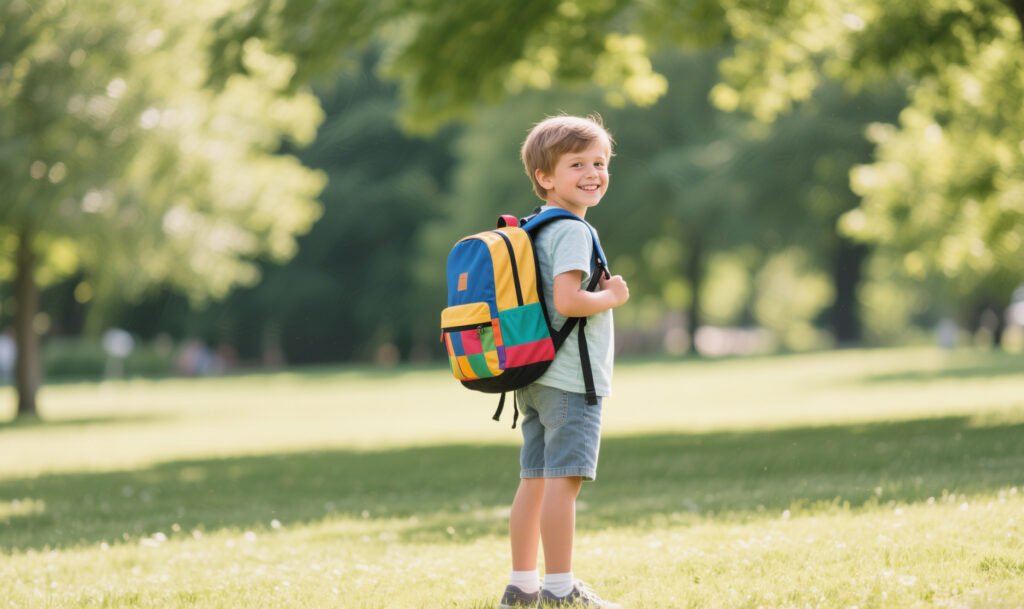
If you are a brand, school, or wholesaler, custom solutions are often necessary to meet identity, functionality, or budget requirements:
- Customization options: Printing, embroidery, patches, color blocking, and branded hardware help produce a unique product that aligns with brand identity.
- Structural customizations: Adjusting pocket layout, padding thickness, or adding device sleeves and insulated compartments for lunches creates value-added features.
- Material and price tiers: Factories can propose tiered BOMs (bill of materials) — basic, mid-range, premium — so you can target different price points without redesigning the product.
- Minimum order quantities and lead-time planning: Reputable Children Backpack Factory partners work with you to set realistic MOQs and phased production runs to balance inventory and cashflow.
- Private labeling and packaging solutions: From hangtags to retail-ready boxes, factories can provide packaging that meets retail display and shipping requirements.
An ideal backpack factory partner should combine sophisticated engineering expertise with a genuine concern for children’s well-being. They produce backpacks that not only carry belongings but also support children at every stage of their development.
Frequently Asked Questions (FAQs)
The best kids backpack brands focus on ergonomic design, lightweight structure, durability, and safety. Well-known brands and top children backpack factories often provide age-specific designs, adjustable straps, and certified materials that support healthy posture for daily school use.
Choose a children’s backpack based on your child’s age, height, and daily load. Look for padded shoulder straps, breathable back panels, lightweight materials, and enough compartments to distribute weight evenly. A good fit is more important than brand popularity.
Many older people prefer kids backpacks because they are lighter, smaller, and easier to carry, reducing shoulder and back strain.
High-quality children backpacks are made from eco-friendly polyester, nylon, or recycled fabrics that are lightweight, water-resistant, and durable. Safe factories prioritize non-toxic dyes, smooth zippers, and tear-resistant stitching to ensure long-term use and child safety.
A reliable children backpack factory stands out through strict quality control, ergonomic R&D, customization ability, and international safety certifications. Experience in OEM/ODM production, consistent materials sourcing, and compliance with global standards are key indicators.
Essential safety features include reflective strips for visibility, soft padded straps, reinforced stitching, smooth edges, and breathable back panels. Top backpack factories also ensure lightweight construction to prevent spinal pressure in growing children.
Japanese kids backpacks, especially randoseru, are expensive due to handcrafted production, premium materials, and cultural significance. Their factories emphasize durability, precision, and tradition, which increases manufacturing costs.