In a world where laptops, tablets, and digital accessories travel with us everywhere, the demand for high-quality tech backpacks has never been stronger. From anti-theft compartments for laptops to integrated charging systems and smart organization solutions, tech backpacks have become essential gear for digital nomads, professionals, and students alike. As global demand surges for these sophisticated carrying solutions, brands worldwide are turning their attention to China’s manufacturing prowess—but navigating this complex landscape requires insider knowledge and strategic partnerships.
China remains the top destination for brands seeking innovation, affordability, and scalable manufacturing. With a mature supply chain, advanced production capabilities, and expertise in tech-integrated bag design, Chinese factories have become the go-to source for tech backpacks that meet today’s mobile lifestyle.
Finding the right Tech Backpack Factory in China can make the difference between launching a product that disappears into obscurity or creating the next must-have accessory that dominates your market. Whether you’re an established retailer looking to expand your accessories line or a startup aiming to disrupt the market with innovative carrying solutions, these manufacturing partners offer the perfect blend of craftsmanship, technological integration, and scalable production capabilities to bring your vision to life.
The Market Potential of Tech Backpacks
The global backpack market — especially tech-enabled backpacks — has been experiencing steady growth in recent years. Rising demand for multifunctional, device-friendly bags for commuting, work, travel, and urban living is fueling this trend.
As people’s lifestyles become more mobile and tech-centric (think laptops, tablets, power banks), the need for backpacks that can safely, conveniently carry and protect gadgets has surged. According to industry-wide analyses, new backpack models increasingly integrate features like USB charging ports, RFID protection, water resistance, ergonomic support, and smart organization — reflecting shifting consumer preferences.
Consumer demand for a comprehensive “function + emotion + green” experience is driving the industry’s upgrade to the 3.0 era, making backpacks with smart features and environmentally friendly characteristics the new market favorites. This expansion is fueled by several powerful trends reshaping consumer behavior:
- Increasing remote work adoption has created demand for professional bags that can safely transport multiple devices
- Rising digital nomad culture requires versatile carrying solutions for extended travel
- Growing emphasis on personal electronics protection drives specialized compartment needs
- The convergence of fashion and function has elevated tech backpacks from utilitarian items to style statements
For brands — global or start-ups — there’s a clear opportunity here: by offering “tech backpacks” that meet modern needs, they can tap into a growing segment with strong demand potential. Global brands can stand out in increasingly fierce market competition and gain market share by offering tech backpacks that address users’ pain points. Partnering with an experienced Tech Backpack Factory in China can transform this potential into profitable reality.
What is a Tech Backpack?
A tech backpack refers to a backpack designed with modern, technology-friendly features and functionalities — beyond just carrying books or clothes. Key characteristics typically include:
- Smart compartments for laptops, tablets, and charging cables.
- Integrated tech solutions like USB ports, solar panels, or biometric locks.
- Anti-theft and anti-scratch materials (e.g., ballistic nylon, TPU linings).
- RFID-blocking pockets to protect sensitive credit cards and passports
- Ergonomic back support with adjustable straps and padded hip belts.
- Quick-access external ports for frequently used devices
- Weather-resistant or waterproof zippers for all-weather use.
A tech backpack is more than just a bag—it’s a platform that combines traditional functionality with advanced technology to enhance the user experience. They are designed to meet the needs of modern lifestyles, from remote work to outdoor adventures, from daily commutes to professional tool management.
What truly distinguishes today’s tech backpacks is their evolution
beyond mere protection. Modern designs incorporate power bank integration, solar charging capabilities, smart tracking technology, and even air purification systems. These innovations transform simple carriers into comprehensive mobile command centers that support our increasingly connected lifestyles.
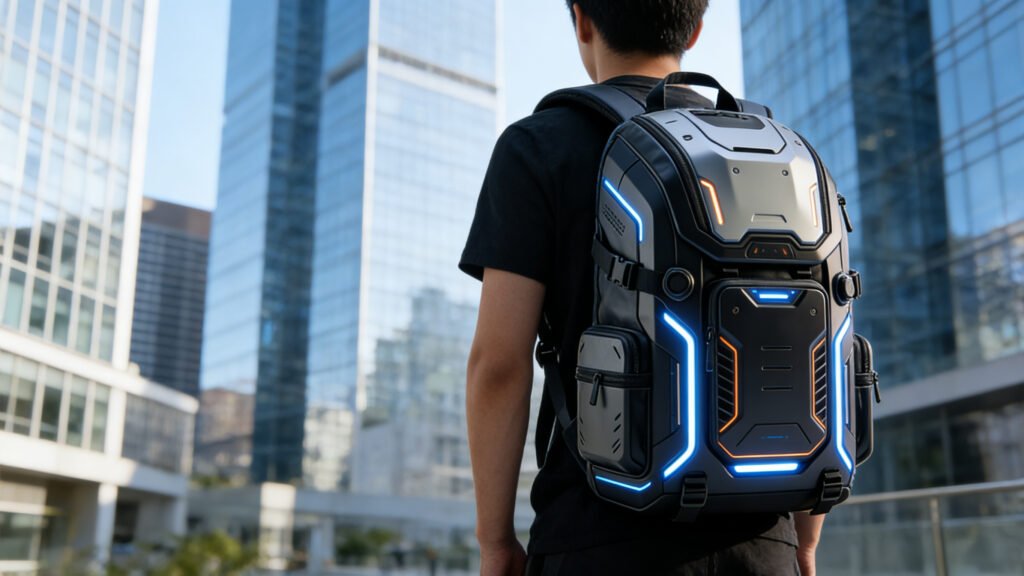
Common Styles of Tech Backpacks
Today’s market offers diverse tech backpack styles catering to specific user needs and scenarios:
Professional/Tech Business Backpacks
Designed for corporate environments with sleek, minimalist aesthetics, these feature dedicated laptop sleeves with 360° protection, organization panels for documents and accessories, and sophisticated anti-theft mechanisms. Premium materials like ballistic nylon and water-resistant finishes provide durability while maintaining professional appearance.
Tech Travel Backpacks
These versatile carriers combine TSA-friendly laptop compartments with expandable storage, compression systems, and convertible designs. Many feature hidden passport pockets, modular attachment systems, and innovative packing solutions that maximize airline carry-on allowances while keeping electronics secure and accessible.
Tech Student Backpacks
Budget-conscious yet feature-rich, student-focused designs prioritize laptop and tablet protection alongside textbook storage. These often include ergonomic shoulder straps, water bottle pockets, and vibrant aesthetics with practical features like USB charging ports and headphone jacks that appeal to younger demographics.
Outdoor/Adventure Tech Backpacks
Built for rugged use, these integrate weatherproof construction with advanced tech protection. Features often include solar panel attachments, waterproof zippers, reinforced bottom panels, and specialized compartments that protect devices during hiking, camping, or extreme commuting conditions.
Specialized Tech Backpacks
Niche markets have spawned highly specialized designs like photography backpacks with customizable gear compartments, gaming backpacks with controller storage and cooling systems, and medical tech backpacks with temperature-controlled sections for equipment transport.
Health Monitoring Tech Backpacks
Integrating health sensors, these backpacks can track the user’s heart rate, posture, and fatigue level, providing real-time health feedback. They are especially valuable for outdoor adventurers and people who need to carry heavy loads for extended periods.
What Makes Tech Backpack Factory China a Global Brands Choice
Chinese manufacturing has evolved dramatically from its “cheap production” reputation to become a sophisticated ecosystem of innovation and quality. China tech backpack factories combine cost-effectiveness, advanced manufacturing, and design flexibility to outperform competitors.
When global brands look for manufacturers to produce tech backpacks, factories in China remain a top destination. Several factors contribute to this preference:
Manufacturing Expertise & Infrastructure
China’s backpack manufacturing clusters in Guangdong, Fujian, and Hebei provinces boast decades of specialized experience. These facilities employ skilled craftspeople who understand the precise stitching techniques, material combinations, and finishing processes required for premium tech backpacks.
Integrated Supply Chain Ecosystem
Within close proximity to factories lie comprehensive material suppliers, component specialists, and finishing experts. This ecosystem enables rapid prototyping, material substitution when needed, and efficient problem-solving without supply chain disruptions.
Advanced Production Capabilities
Leading Chinese factories invest heavily in automation for consistent quality while maintaining manual craftsmanship for complex elements. Their production lines can seamlessly transition between small custom batches and large-scale production runs.
Quality Control Systems
Top-tier factories implement multi-stage quality control processes exceeding international standards. From material testing to final product inspection, these systems ensure every backpack meets brand specifications and durability requirements.
Innovation & R&D Capabilities
Forward-thinking factories maintain dedicated R&D departments exploring new materials, smart features, and ergonomic improvements. Partnering with these innovators gives brands access to cutting-edge developments before they reach mainstream markets.
Cost-effectiveness and competitive pricing
Despite rising labor costs, economies of scale, local supply chains, and efficient production processes help keep manufacturing cost per unit lower.
Speed and flexibility
From rapid prototyping (design to sample) to fast mass production and reliable logistics, Chinese factories can adapt well to variable demands and tight deadlines.
Understanding more professional information can help your brand choose the ideal backpack manufacturer more quickly. Let’s jump right in!
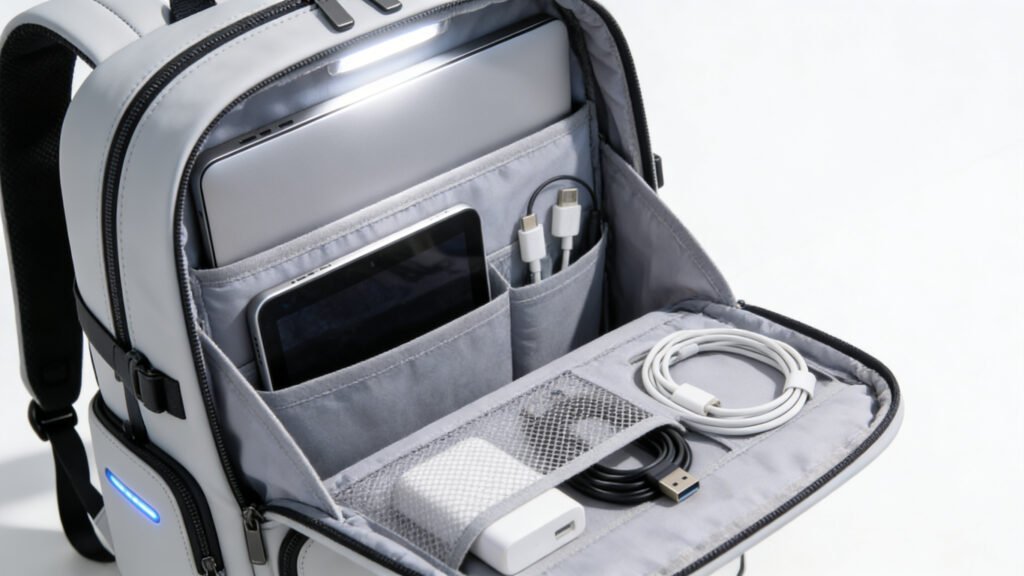
1.Sumkbags – Best Tech Backpack Manufacturer
Location:Baigou, China
Company Introduction: Sumkbags is a professional manufacturer of tech backpacks, specializing in producing high-quality tech backpacks and customized backpack solutions.The company leverages advanced manufacturing technologies, stringent quality control systems, and a vertically integrated supply chain to deliver reliable, scalable, and cost-effective bag solutions tailored to diverse brand needs. With ISO-certified facilities and a strong commitment to environmental responsibility, Sumkbags has earned recognition for its agile customization capabilities, fast turnaround times, and consistent product excellence.
Main Products:
- Business backpacks
- Travel backpacks
- Laptop backpacks
- Hiking/backpacking bags
- Duffle bags
- School backpacks
- Waist bags
- Chest bags
Pros:
- Customization Expertise: Offers full-service design support
- Eco-Conscious Options: Provides a wide range of sustainable materials
- Scalable Production: Capable of handling both small-batch orders (as low as 500 units) and large-volume runs (100,000+ units)
- Global Compliance: Products meet international safety and environmental standards, including REACH, CPSIA, and RoHS.
Cons:
- The client needs to inspect the factory via video. On-site inspection might be difficult as the factories are located in China.
2. Yakeda Outdoor Travel Products Co., Ltd.
Location:Guangzhou, China
Company Introduction:Yakeda, founded in 2006, specializes in outdoor, tactical and travel backpacks. Their facility in a 10,000+ sqm factory includes multiple production lines and modern equipment; they comply with international standards.
Main Products:
- Outdoor hiking backpacks
- tactical/military backpacks
- travel backpacks
- multifunctional commuter bags
- hydration backpacks
Pros:
- Strong expertise in durability, load-bearing structure, and outdoor-grade materials, useful for rugged tech backpacks.
- Suitable for brands targeting military, tactical, or adventure tech users.
Cons:
- Complex tactical designs can increase unit cost for small orders.
- Customization for fashion-oriented or “tech-style” everyday bags may be less convenient than for outdoor backpacks.
3.Kingsons Technology Co., Ltd.
Location:Guangzhou, China
Company Introduction:Kingsons is one of China’s most well-established backpack manufacturers, specializing in tech-friendly and travel-oriented bags. With a strong focus on ergonomic design and water-resistant materials, the company supplies to both global brands and private-label clients.
Main Products:
- Laptop backpacks
- Anti-theft bags
- USB-charging backpacks
- Business briefcases
- Travel tech backpacks
- Camera, gadget and multifunctional bags
Pros:
- Large factory scale with high monthly capacity suitable for big orders.
- Strong design capability with over 800 patented bag designs and global award recognition.
Cons:
- Slightly higher MOQ for customized orders
- MOQs and pricing structures can be less flexible for very small buyers or new brands.
4.Fuzhou YC Bag Making Co., Ltd
Location:Fuzhou, China
Company Introduction:YC Making is a professional backpack and bag manufacturer with many years of experience in custom production. The factory focuses on eco‑friendly materials and offers highly customized solutions for brands that need unique laptop and tech bag designs. The company focuses on both outdoor and urban laptop/computer backpacks.
Main Products:
- Laptop backpacks and computer bags
- Promotional and reusable bags
- outdoor travel packs
- casual and school backpacks
Pros:
- Strong customization service for branding, structure and materials.
- Experience with eco‑friendly and reusable concepts that appeal to sustainable brands.
Cons:
- Lead times may be longer for complex custom projects and new molds.
- The minimum order quantity is high, making it unsuitable for startup brands and small buyers.
5.Center Backpack Bag Co., Ltd.
Location:Xiamen, China
Company Introduction:Operating since 1996, Center Backpack Bag has established itself as one of China’s leading manufacturers/exporters for school backpacks and related bags. Their production is oriented toward the global export market, focusing on lightweight, affordable bags tailored for students and children.
Main Products:
- Laptop backpacks
- Sports and travel bags
- Promotional and custom brand bags
- School backpacks and student bags
Pros:
- Long production history and stable export experience.
- Flexible development support for buyers who need tailored backpack structures.
- Affordable and mass-market — good for bulk, high-volume orders targeting lower price points.
Cons:
- Product styling can be more traditional.
- Product range is focused on school/children’s bags.
- Less specialization in premium materials or technical features.
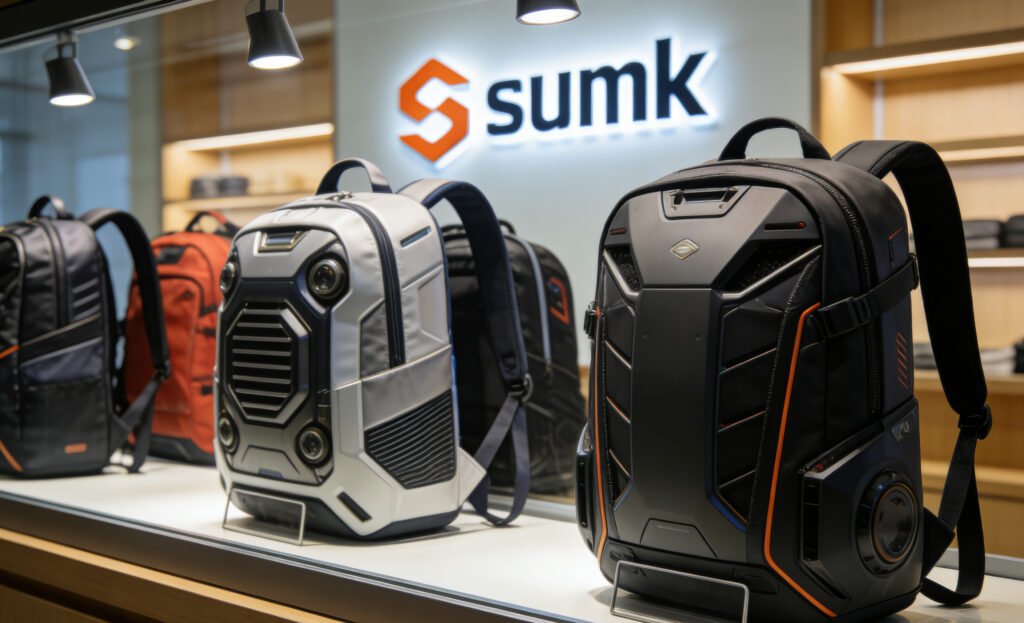
6.DDHBA Backpack Manufacturer
Location:Guangzhou, China
Company Introduction:DDHBA (since 2006) is a diversified company involved in backpack manufacturing, export-import trade, supply-chain and retail management. The company focuses on consistent output and supports custom logo printing and branding for tech‑oriented backpacks.
Main Products:
- Laptop and business backpacks
- Outdoor bags
- Custom promotional backpacks
- Travel bags & business travel bags
- Gym bags, sports bags
Pros:
- Positioned as a reliable supplier for bulk custom orders.
- Supports a range of branding methods such as printing and embroidery.
- Broad product range — suitable for companies wanting diversified bag lines beyond just backpacks.
Cons:
- Publicly available information is limited, so detailed factory evaluation is needed.
- The product lacks high-end craftsmanship or features.
7.GAOFENG Bags
Location:Shenzhen, China
Company Introduction:GAOFENG is an experienced bag manufacturer in China, known for producing business, travel, outdoor and casual backpacks. They maintain a stable manufacturing system, have an R&D team, and provide OEM/ODM services — suitable for clients needing a broad variety of bag types across different price segments.
Main Products:
- High‑end laptop and business bags
- Professional gear bags and accessories
- Business backpacks,
- Travel bags
- Outdoor / sports backpacks
- Casual/fashion bags
Pros:
- Mature production system and stable output suitable for mid to high-quality markets.
- Strong experience with demanding institutional clients and high durability standards.
- Advanced R&D capability with a large internal design library.
Cons:
- Less public data on size, production capacity, export volume, which might require more due diligence from prospective buyers.
- For highly specialized outdoor or premium leather backpacks, may not match the niche-focused factories.
- Pricing can be higher than mass‑market factories due to quality positioning.
8.Ningbo Syloon Imp & Exp Co., Ltd
Location:Ningbo, China
Company Introduction:Syloon is a design‑driven manufacturer supplying stylish bags, promotional gifts and stationery to major European and American brands. The company offers in‑house design and full‑scale production, which is useful for tech brands seeking cohesive merchandise collections around laptop backpacks and accessories.
Main Products:
- Custom laptop backpack
- Promotional backpacks
- Gift sets combining bags with tech accessories
Pros:
- Strong design support and experience with branded campaigns.
- One‑stop sourcing for backpacks plus related promotional items.
Cons:
- The backpacks require customers to provide clear design drawings.
- The minimum order quantity for the backpacks is high, making them unsuitable for small brands.
9.Shenzhen Biosled Technology Co., Ltd
Location:Shenzhen, China
Company Introduction: Biosled is a technology‑oriented manufacturer focusing on LED backpacks and intelligent display products. The company has its own R&D, quality control and modern management systems, supplying smart wearable display solutions to millions of users.
Main Products:
- LED display backpacks for advertising and gaming
- LED rider and knight backpacks
- Smart car LED screens and other intelligent displays
Pros:
- Strong tech integration, ideal for smart or app‑controlled backpack projects.
- In‑house development team for electronics, firmware and structural design.
Cons:
- Focused on LED and smart products rather than conventional laptop backpacks.
- The product’s unit price is too high. Start-up companies need to consider costs.
10. Yiwu Hengyu Bag Manufacturing Co., Ltd.
Location:Yiwu, China
Company Introduction:Leveraging Yiwu’s position as China’s small commodity hub, Hengyu Bag Manufacturing has grown into a versatile tech backpack producer since 2011. Their 12,000 square meter facility specializes in small-to-medium production runs with quick turnaround times.
Main Products:
- Tech organizer backpacks
- Youth-oriented laptop carriers
- Promotional branded backpacks with tech compartments
- Foldable travel tech packs
Pros:
- Very competitive pricing.
- Low minimum order quantities (starting at 300 units)
- Fast production cycles (25-30 days),
- Strong capabilities in vibrant color production.
Cons:
- Limited experience in the ultra-high-end or luxury technology backpack sector.
- The quality control system is not comprehensive enough.
Key Benefits of Working with Tech Backpack Factory China
When selecting the right manufacturing partner, global brands gain significant competitive advantages. Partnering with a Chinese factory for tech backpack production offers several concrete benefits for brands:
Cost Efficiency Without Quality Compromise
Chinese manufacturing offers 30-50% cost savings compared to Western production while maintaining or exceeding quality standards. This optimization comes from efficient labor costs, established supply chains, and production scale economies.
Comprehensive Customization Options
From material selection (waterproof nylon, recycled PET, vegan leather) to hardware choices (YKK zippers, custom buckles), Chinese factories provide extensive customization possibilities. Brand identity elements like unique prints, embossing, and smart feature integration are readily accommodated.
Rapid Development Cycles
Experienced factories can transform concepts into production-ready samples within 7-14 days. Their established processes for pattern making, material sourcing, and prototyping dramatically accelerate time-to-market compared to developing these capabilities in-house.
Advanced Technical Expertise
Leading factories employ design engineers who understand both aesthetic requirements and functional necessities. Their expertise in structural integrity, weight distribution, and user experience ensures products perform as beautifully as they look.
Scalable Production Capacity
Whether launching a boutique collection or fulfilling mass-market demand, Chinese manufacturing partners offer flexible production capabilities that grow with your brand. This scalability prevents stockouts during demand spikes while maintaining consistent quality across production volumes.
Supply Chain & Logistics Efficiency
Well-integrated supply chains and proximity to ports/transport infrastructure in China enable faster lead times and smoother global shipping processes.
Access to Innovation
Chinese factories often keep up with market trends — e.g. using sustainable or recycled materials, offering smart-backpack features, lightweight ergonomic designs — helping brands stay competitive and meet consumer demand.
How to Choose the Best Tech Backpack Factory for Your Business
Selecting the right manufacturing partner requires careful evaluation beyond basic pricing considerations. The following are key criteria to consider when choosing a factory to manufacture tech backpacks:
Verification & Due Diligence Process
- Request factory certifications (ISO 9001, BSCI, SEDEX)
- Verify years in business and client portfolio authenticity
- Check material supplier relationships and quality control protocols
Quality Assessment Protocol
- Order comprehensive pre-production samples testing all features
- Request material specification sheets with test reports
- Evaluate stitching quality, zipper durability, and hardware finishing
- Test waterproofing capabilities and weight distribution with actual devices
Production Capability Verification
- Request detailed production timelines for your specific order volume
- Verify minimum order quantities align with business needs
- Review material sourcing lead times and alternatives
Sample Development Process
- Evaluate prototype development speed and accuracy
- Assess willingness to iterate based on feedback
- Review sample quality against specifications
- Confirm production sample approval process and timeline
The most successful brand partnerships begin with transparent communication about expectations, quality standards, and growth projections. Taking time for this thorough evaluation prevents costly mistakes and establishes foundation for long-term collaboration. By carefully vetting potential backpack suppliers against these criteria, you’ll be in a strong position to pick a factory that aligns with your brand’s values, quality standards, and growth plans.
Tips for Maintaining a Long-term Partnership with a Tech Backpack supplier
Building enduring manufacturing relationships requires strategic attention beyond transactional interactions. Long-term supplier relationships often yield better results — consistency, reliability, possibly better pricing, and smoother operations. Here are some tips:
Establish Clear Communication
Schedule weekly video calls during development phases and monthly check-ins during production. Maintain a shared digital workspace for design files, quality standards, and feedback documentation. This transparency prevents misunderstandings and accelerates problem resolution.
Implement Fair Payment Structures
While protecting your business interests, recognize that reliable suppliers need predictable cash flow. Consider milestone-based payments that balance your risk management with their operational needs. Long-term partners often receive preferential payment terms as trust develops.
Conduct Regular Factory Visits
Plan quarterly on-site visits when possible, or hire third-party quality control firms for comprehensive audits. These visits build personal relationships, demonstrate commitment, and provide opportunities to observe production processes firsthand. Many successful brands rotate team members through these visits to build organizational knowledge.
Collaborate on Continuous Improvement
Share customer feedback and product performance data with your factory partners. Jointly develop improvement initiatives for materials, construction methods, or feature enhancements. This collaborative approach transforms suppliers into innovation partners invested in your brand’s success.
Develop Joint Crisis Management Plans
Discuss potential disruption scenarios (material shortages, logistics challenges, quality issues) and establish clear protocols for each situation. Document these procedures and review them annually. Proactive planning transforms potential relationship-damaging crises into opportunities to strengthen partnership resilience.
Celebrate Shared Successes
Acknowledge supplier contributions to product launches, quality improvements, or innovation milestones. Recognition builds loyalty and motivates continued excellence. Many brands include key suppliers in annual appreciation events or performance recognition programs.
Encourage sustainable and ethical practices
If your brand values ESG (environmental, social, governance), partner with suppliers who align with those values, e.g. using recycled materials, fair labor, and responsible waste practices.
Future Development Trends of Tech Backpacks
The tech backpack industry is poised for significant innovation as manufacturers respond to evolving consumer demands and technological advancements. The future of tech backpacks is shaped by AI, flexible electronics, and sustainable innovation. The tech backpack industry is undergoing several significant development trends. These trends will shape future product design and market landscape:
1.Increased Integration of IoT Technologies
The application of Internet of Things (IoT) technologies in backpacks will become more in-depth and widespread:
- Smart sensors – Sensors for temperature, humidity, pressure, etc., will be integrated into backpacks, providing environmental sensing capabilities.
- Wireless charging technology – Evolving from simple USB charging ports to wireless charging pads, and even solar charging systems.
- AI analysis – Analyzing user habits and behavior patterns through AI algorithms to provide personalized suggestions.
- Energy harvesting – The “levitation” backpack technology developed by the Chinese Academy of Sciences can collect energy from human movement to power devices,
2.Materials Science Advancements
Breakthroughs in materials science will lead to lighter, stronger, and more environmentally friendly backpacks:
- Bio-based materials – such as polyester engineering plastics (with up to 30% recycled PET beverage bottles added) and bio-based polyamide composites, offering higher impact strength and lower carbon emissions.
- Nanocoating technology – providing waterproof, stain-resistant, and antibacterial functions, extending product lifespan.
- Self-healing materials – capable of automatically repairing minor scratches and wear, improving product durability.
- Carbon fiber composite materials – reducing backpack weight by 30% while increasing load capacity by 50%.
3.Health Monitoring Integration
Health monitoring functions will be deeply integrated with the backpack, creating a new user experience:
- Biometric technology – such as heart rate monitoring, posture analysis, and fatigue level assessment
- Emergency alarm system – automatically sends alerts when abnormal situations are detected
- Environmental adaptability – automatically adjusts the backpack’s support and shock absorption system based on the user’s environment
- Health data synchronization – shares health data with devices such as smartwatches and mobile phones, providing comprehensive health management
Final Thoughts
Partnering with the right Tech Backpack Factory in China offers global brands an unparalleled opportunity to deliver innovative, high-quality products that meet evolving consumer demands. By understanding market dynamics, evaluating manufacturing partners thoroughly, and nurturing long-term relationships, brands can establish competitive advantage in the rapidly growing tech backpack category.
The factories leading this revolution combine traditional craftsmanship with technological innovation, sustainable practices, and customer-centric design thinking. For brands ready to build meaningful manufacturing partnerships, China’s tech backpack ecosystem offers not just production capabilities, but genuine collaborative potential that transforms product visions into market-leading realities.
Frequently Asked Questions (FAQs)
Most tech backpacks are manufactured in China, especially in industrial hubs like Guangzhou, Shenzhen, Dongguan, and Quanzhou. These regions offer mature supply chains, skilled labor, and advanced materials sourcing, making China the leading global center for tech-backpack production.
Yes. Many well-known luxury and premium brands produce part of their bag collections in high-end Chinese factories. These facilities follow strict craftsmanship, material, and compliance standards. “Made in China” in the bag industry often means scalable quality, advanced machinery, and competitive lead times.
A tech backpack includes dedicated laptop sleeves, device protection, cable-management pockets, waterproof fabrics, USB ports, and anti-shock structures, while a regular backpack focuses mainly on basic storage. Tech backpacks are engineered for electronics safety, organization, and daily commuting needs.
Insist on material verification (zippers, fabric, padding), sample approval, pull-test reports, stitching-strength checks, waterproof testing, and third-party inspections.
Look for manufacturers with export experience, ISO/BSCI/SEDEX certifications, in-house design teams, stable material suppliers, and verified factory audits. Check their sample quality, communication speed, customization ability, and long-term client references.
A high-quality tech backpack should have protective laptop compartments, high-density foam, durable zippers, water-resistant fabric, ergonomic straps, USB charging options, RFID pockets, and organized layouts.
Typical development takes 15–30 days for sampling and 35–60 days for bulk production, depending on customization, material availability, and order volume.