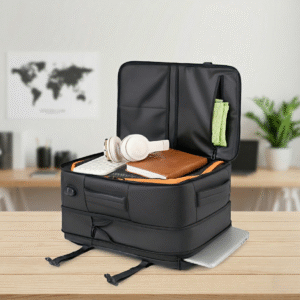
what is an anti-theft backpack
Anti-theft backpacks are not a niche product anymore.
In the past few years, we’ve seen more and more demand from travelers, office users, and daily commuters. People carry laptops, passports, and electronics every day. Safety matters more than ever.
For brands, choosing the right anti-theft backpack features is not just about adding functions. It’s about building a product that actually sells.
In this article, we’ll go through the anti theft backpack key features that really matter — and how to choose them based on your target market.

1. Hidden Zippers and Concealed Openings
This is one of the most basic but important features.
Instead of placing zippers on the outside, anti-theft backpacks usually hide them at the back. When the bag is on your back, it’s very hard for someone to open it without you noticing.
You will see this design a lot in city commuting bags.
2. Lockable Compartments
Some backpacks come with lockable zippers. Some use small locks, others use built-in systems.
Is it necessary? Not always.
But for travel, especially in crowded places, it gives users more peace of mind.
3. RFID Blocking Pockets
RFID blocking is designed to protect cards and passports from electronic scanning.
A few years ago, this feature was more of a “nice to have”. Now it’s becoming standard in travel bags.
If your target market includes international travelers, this is worth considering.
4. Anti-Cut Materials
Material matters more than most people think.
Some anti-theft backpacks use reinforced fabric that is harder to cut. It won’t make the bag 100% safe, but it increases the effort needed to break in.
This feature is more important for outdoor use or high-risk environments.
5. Structured Shape
A well-structured backpack keeps its shape even when it’s not full.
Why does this matter?
Because loose bags are easier to open without being noticed. A structured design makes access more controlled and more visible.
It also improves the overall look of the product.
6. USB Charging Port (Optional)
This is not really an anti-theft feature, but many customers expect it.
A built-in USB port allows users to connect a power bank inside the bag and charge their phone outside.
For students and daily users, this is a practical upgrade.
7. Internal Organization
This part is often overlooked.
A good internal layout helps users separate valuable items. Laptop, wallet, cables — everything has its place.
Less mess means less risk of losing things.
How to Choose the Right Features
Not every backpack needs all these features.
In real projects, we usually suggest choosing based on the main use case.
For example:
Urban commuting → hidden zippers + clean structure
Travel → RFID + lockable compartments
Outdoor → stronger materials
Adding everything will increase cost, but not always increase value.
For Brands: What to Think About Before Production
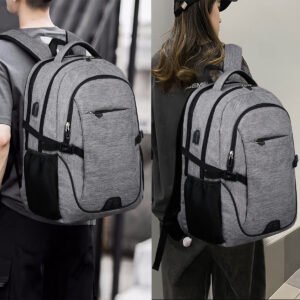
If you are planning to develop your own anti-theft backpack, here are a few things to think about:
Who is your target user?
What price range are you aiming for?
Which features really matter for your market?
What is your MOQ and budget?
From our experience, a simple and well-balanced design usually works better than a “feature-heavy” product.
Anti-theft backpacks are still growing as a category. But buyers are becoming more careful.
They don’t just look at how many features a bag has. They look at how useful those features really are.
For brands, the goal is not to add everything — but to choose the right combination.
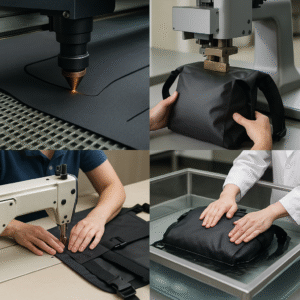
If you are working on a custom anti-theft backpack project, working with an experienced backpack manufacturer can help you avoid a lot of trial and error.