Skip to content
Hey there, fellow parent! Let’s be real—choosing a backpack for your child sounds simple until you realize it’s a mission critical task. There’s a quiet magic in watching your little one zip up their very first backpack on the morning of kindergarten—wide eyes sparkling with both excitement and nerves. But beneath that moment lies a practical truth every parent deserves to know: the right backpack size isn’t just about fitting crayons and snack boxes—it’s about protecting growing spines, nurturing independence, and turning a daily routine into a joyful ritual. Choosing a backpack that’s too large can strain tiny shoulders; one too small sparks frustration before the first bell even rings. So, what size backpack is truly good for kindergarten?
It’s not just about style or capacity; it’s about ergonomics, safety, and maybe even a little bit of magic to make your kid’s daily grind (aka school) feel less like a burden. You’re not just picking a bag—you’re investing in their comfort, posture, and maybe even their confidence. So, how do you navigate this jungle of zippers, compartments, and “ergonomic” buzzwords? Let’s dive in, shall we?
Backpack Basics: Choosing the Right Size for Your Kindergartener
Starting kindergarten is a big moment for you and your children. They’re learning to do more on their own, getting into a new daily rhythm, and starting to make friends and learn stuff. What better way to prepare for kindergarten than with a new backpack? One that fits just right keeps their snacks and toys safe, plus it makes them feel super brave on those first few wobbly school days—like how a favorite stuffed animal gives them courage at bedtime!
Selecting the perfect backpack for your kindergartener is more than just picking a colorful design with their favorite characters. The right backpack size forms the foundation for your child’s daily comfort, organization, and even physical development. As children transition to kindergarten, they need a backpack that’s appropriately sized to carry essential items like folders, lunch boxes, water bottles, and perhaps a small snack or comfort item.
Remember that kindergarten backpacks aren’t just about carrying items—they represent your child’s first taste of independence and responsibility. Choosing the right size demonstrates thoughtful preparation for this significant milestone in their educational journey.
Why Backpack Size Matters for Kindergarteners
The importance of proper backpack sizing for kindergarteners cannot be overstated. Children at this age are still developing physically, with delicate spines, shoulders, and posture habits that can be affected by poorly fitted gear. An oversized backpack places unnecessary strain on developing muscles and can lead to poor posture, shoulder pain, and even long-term spinal issues.
From a practical perspective, a backpack that’s too large becomes unwieldy for small children to manage. They may struggle to reach items inside, have difficulty zipping and unzipping compartments, or find the weight distribution uncomfortable. Conversely, a backpack that’s too small creates frustration when essential items can’t fit, leading to last-minute compromises like carrying things in their hands or asking teachers to hold belongings.
A backpack that is too large or too heavy can cause:
- Posture problems – Too much weight or an oversized bag can strain young muscles.
- Discomfort and pain – Poor fit can lead to shoulder, neck, or back discomfort.
- Mobility issues – A bag that hangs too low inhibits natural walking and coordination.
- Frustration – Kids may refuse to wear backpacks that don’t feel right.
For preschool children, a properly sized backpack can contribute to a happier and healthier school life.
Backpack Sizes Offered by Wholesale Children Backpack Manufacturer
Wholesale children backpack manufacturer typically offer a range of sizes specifically designed for different age groups and developmental stages. For kindergarteners, most reputable brands offer backpacks in the following dimensions:
- Small/Mini sizes: Typically measuring 10-12 inches in height, 8-10 inches in width, and 4-6 inches in depth
- Standard child sizes: Usually 12-15 inches tall, 10-12 inches wide, and 5-7 inches deep
- Adjustable options: Some backpack manufacturer create convertible backpacks with expandable compartments or adjustable harness systems that grow with your child
Premium china children backpack manufacturers often categorize their products by age recommendations rather than exact measurements:
- Toddler/Toddler Plus (ages 2-4)
- Little Kid/Kindergarten (ages 4-6)
- Big Kid (ages 6-8)
- Youth (ages 8-12)
When shopping, you’ll find that specialized children’s backpack brands like Skip Hop, Pottery Barn Kids, LLBean, Sumkbags and F.H. Glick offer more precisely calibrated sizing options than general retailers. These backpack manufacturers invest in child ergonomics research to create designs that accommodate children’s unique proportions rather than simply shrinking adult backpack designs.
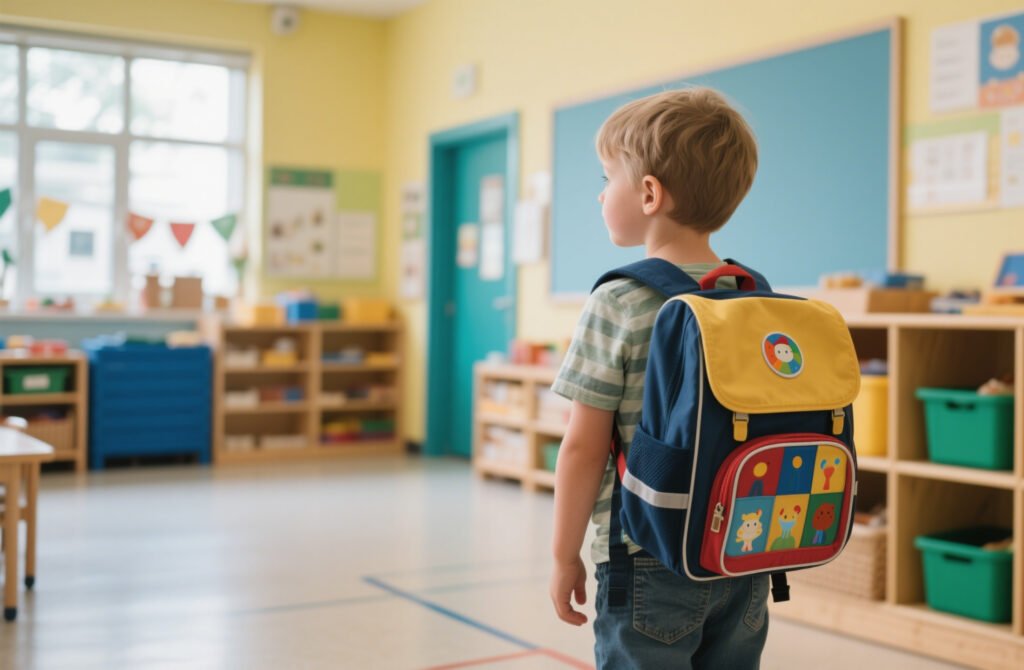
Common classifications of children’s backpacks
Backpacks are usually classified by style and function, which helps narrow choices for kindergarten:
- Daypack / Preschool backpack: Small, lightweight, one main compartment, 1–2 pockets
- Character / Themed backpacks: Popular with kids—ensure proper fit over fashion
- Rolling backpacks: Good for lots of materials but heavier and less common for kindergarten
- Lunchbox-integrated: Backpack with a built-in insulated lunch compartment or matching lunch bag
- Kindergarten backpacks with nap/blanket compartment: Wider or flatter shape to accommodate mats
- Waterproof / Outdoor backpacks: For field trips or outdoor programs
By understanding these classifications, you can match your child’s needs with the best size and style.
What Size Backpack is Appropriate for Kindergartners
For most kindergarteners, the ideal backpack size ranges between 10-12 inches in height, 8-10 inches in width, and 4-6 inches in depth. This typically translates to a capacity of approximately 5-8 liters—enough to carry necessary items without being cumbersome.
A good rule of thumb is that the backpack should not exceed your child’s back width and should rest no lower than 2 inches below their waistline when properly worn. The top of the backpack should sit about 1-2 inches below the shoulders, not extending above the neck line.
When filled with typical kindergarten items (lunchbox, folder, water bottle, and perhaps a small jacket or comfort item), the backpack should maintain its shape without bulging excessively or straining at the seams. The weight of a fully loaded kindergarten backpack should ideally stay under 10-15% of your child’s body weight.
Remember that children develop at different rates—some kindergarteners may need a slightly larger or smaller option based on their physical size rather than strictly their age. Try to shop in person when possible to see how different sizes look on your specific child, or carefully measure your child before ordering online.
How to Measure Your Child to Find the Perfect Children Backpack
Finding the perfect backpack size begins with accurate measurements of your child’s body. Follow these steps for precise sizing:
1: Measure torso length
- Have your child stand straight against a wall
- Locate the bony bump at the base of their neck (C7 vertebra)
- Measure down to an imaginary line drawn across their lower back at the top of their hip bones (iliac crest)
- This measurement determines the appropriate backpack height
2: Measure shoulder width
- Measure across the back from shoulder bone to shoulder bone
- This helps determine appropriate strap placement and backpack width
3: Try the “hand test”
- When your child wears a backpack, you should be able to slide your hand comfortably between their back and the backpack
- If you can’t fit your hand, the pack is likely too thick or overfilled
- If there’s excessive space, the pack may be too small for necessary items
4: Check the fit with weight
- Fill a candidate backpack with items weighing about 10% of your child’s body weight
- Have them wear it for 5-10 minutes while walking around
- Watch for signs of discomfort, slouching, or readjustment needs
Pro tip: Many children’s stores have sample backpacks available for trying on. If shopping online, check the retailer’s size chart carefully and look for brands that offer free returns in case the size isn’t right.
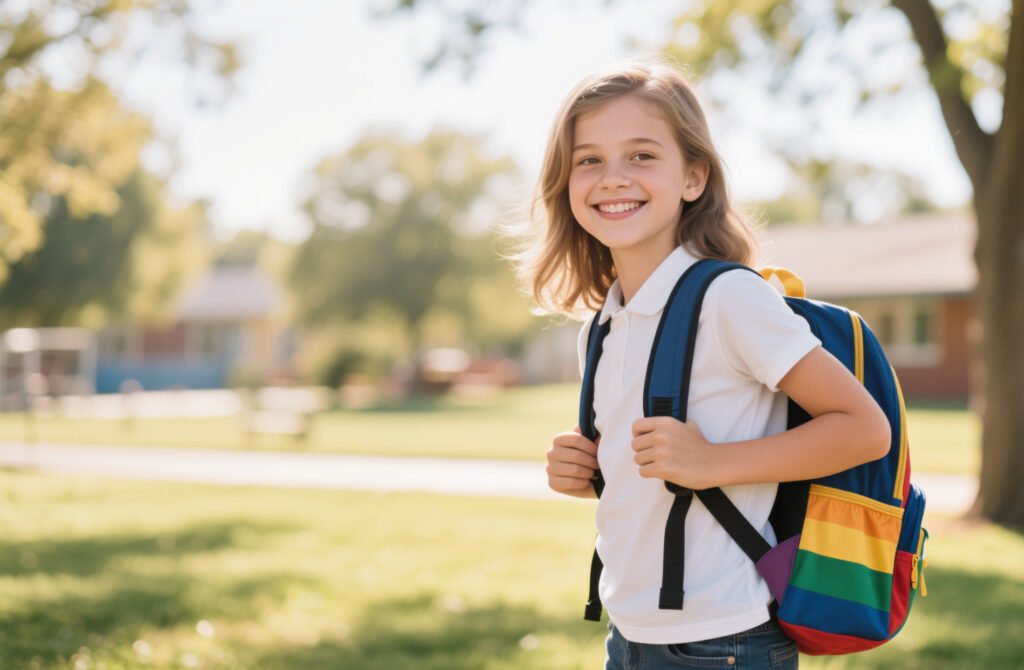
Other Backpack Features for Kindergarteners
Beyond proper sizing, several features significantly enhance a kindergarten backpack’s functionality and appeal:
Ergonomic design elements:
- Padded, adjustable shoulder straps that won’t dig into small shoulders
- A chest strap or sternum strap to help distribute weight evenly
- Back padding for comfort against the spine
- S-shaped straps designed specifically for children’s narrower shoulders
Practical functionality:
- Easy-to-grip zippers that small hands can operate (consider zipper pulls or toggles)
- Multiple compartments to help organize belongings and teach responsibility
- Dedicated pockets for water bottles and lunch boxes
- A separate compartment for folders or notebooks to prevent bending
- Lightweight materials that won’t add unnecessary weight
Safety and durability considerations:
- Reflective elements for visibility during early morning or late afternoon school hours
- Water-resistant or waterproof materials for protection against spills and weather
- Reinforced stitching at stress points to withstand daily use
- Easy-to-clean surfaces that can handle inevitable spills and dirt
Child-friendly appeal:
- Designs featuring characters, colors, or themes your child loves (this increases their willingness to use it consistently)
- Fun elements like keychain clips or small exterior pockets for treasures
- Personalization options like embroidered names to prevent mix-ups at school
What Other School Supplies Do Kindergarteners Need
While selecting the right backpack size is crucial, it’s just one piece of your kindergarten preparation puzzle. Here are essential supplies that should fit comfortably in your child’s appropriately-sized backpack:
Daily essentials:
- A sturdy lunch box or insulated food container
- A refillable water bottle (look for spill-proof designs)
- A folder or document holder for papers coming to and from school
- A small cloth or disposable placemat for lunchtime
Classroom supplies (often kept at school but occasionally brought home):
- Crayons or washable markers in a small container
- Child-safe scissors
- Glue sticks
- Pencil case with preschool-sized pencils and erasers
Personal items:
- A small comfort item if allowed by the school (like a class mascot that travels home on weekends)
- A change of clothes in a plastic bag or small pouch (for accidents or spills)
- Seasonal items like a compact rain poncho or lightweight hat
Parents should check the school’s supply list to ensure nothing essential is missing. A well-organized backpack makes each school day easier for your child.
Specialized Backpack Sizes for Different Activities and Needs
While a standard kindergarten backpack meets most school-day needs, certain situations call for specialized options:
Field trip /hiking backpacks:
- Slightly larger capacity (8-10 liters) to accommodate extra supplies, snacks, and souvenirs
- Additional organization pockets for permission slips and personal items
- Often featuring clear identification panels for group activities
Sports/activity backpacks:
- For kindergarteners in after-school programs, consider backpacks with dedicated shoe compartments
- Mesh pockets for wet swim gear if your child has swimming lessons
- Lightweight, flexible designs that won’t restrict movement during physical activities
All-weather backpacks:
- Waterproof or water-resistant materials for rainy climates
- Covered zippers to prevent water infiltration
- Lighter colors with enhanced reflective elements for low-light conditions
Accessibility-focused designs:
- For children with physical limitations, front-opening backpacks provide easier access
- One-strap designs for children who struggle with bilateral coordination
- Rolling backpack options for children who cannot comfortably carry weight
Weekend/travel backpacks:
- Slightly larger kindergarten-appropriate designs for overnight visits or weekend trips
- Convertible options that transform from backpack to tote bag
- Matching sets with parent bags for coordinated family outings
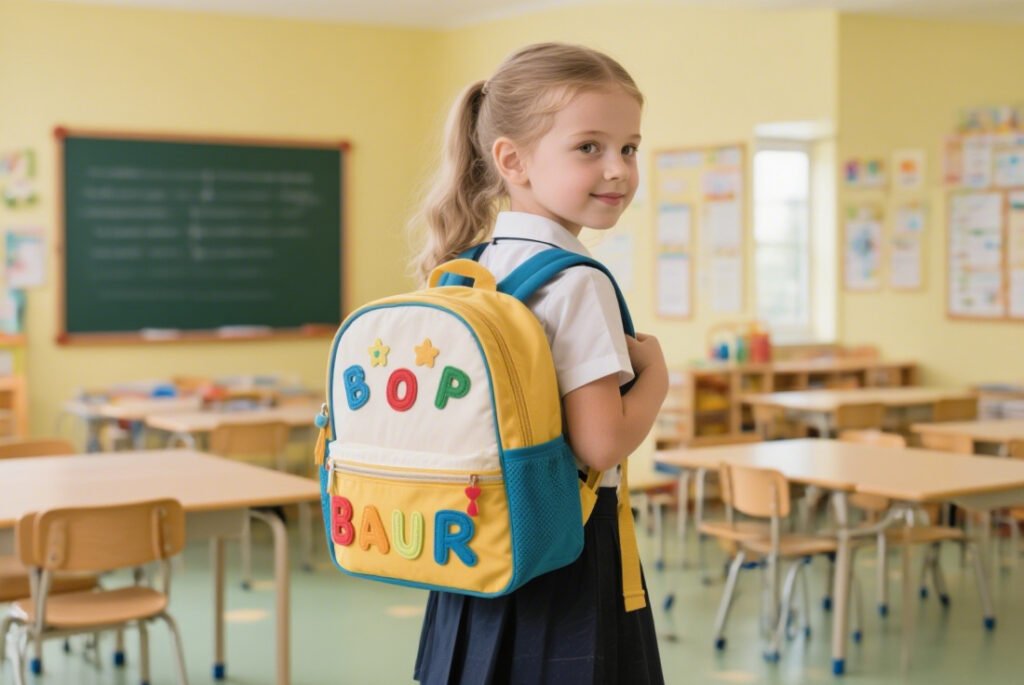
Common Sizing Mistakes Parents Make When Purchasing Backpacks
Even well-intentioned parents often make these backpack sizing mistakes for their kindergarteners:
Buying “room to grow” backpacks: Purchasing an oversized backpack that your child will “grow into” creates immediate comfort and safety issues. Children can’t benefit from a bag they can’t comfortably carry today. Instead, invest in properly sized bags for each developmental stage.
Focusing only on aesthetics: While character designs and colorful patterns excite children, they shouldn’t take precedence over proper fit. A backpack that looks perfect but doesn’t fit correctly will end up abandoned in the classroom cubby.
Ignoring weight distribution: Many parents check capacity but forget that how weight is distributed matters more than total volume. Look for features like padded back panels, chest straps, and wide shoulder straps that distribute weight across the child’s stronger muscle groups.
Overlooking strap adjustment capabilities: Some backpacks have straps that can’t be shortened enough for small kindergarteners, causing the bag to hang too low. Always check that straps can be adjusted to fit your child’s current size.
Assuming all “kindergarten-sized” bags are equal: Manufacturers use inconsistent sizing standards. A “kindergarten size” from one brand might be significantly larger or smaller than another. Always check actual measurements rather than relying on age labels.
Testing empty backpacks only: A backpack that seems appropriately sized when empty may become unwieldy when filled with school supplies. Always test with realistic weight before purchasing.
How Can Parents Choose a Reliable Children Backpack Supplier
Finding trustworthy suppliers of properly sized kindergarten backpacks requires some research, but the effort pays off in quality, safety, and value:
Look for child-specific expertise:
- Choose brands that specialize in children’s products rather than general luggage companies
- Research whether the company employs child ergonomics experts in their design process
- Check if they follow guidelines from pediatric organizations regarding children’s carrying loads
Evaluate quality indicators:
- Examine stitching quality and reinforcement at stress points
- Test zipper functionality and durability
- Check if materials feel sturdy yet lightweight
- Look for certifications like OEKO-TEX (ensuring textiles are free from harmful substances)
Research return policies:
- Purchase from retailers with generous return windows specifically for children’s products
- Look for companies that offer size exchanges without restocking fees
- Check if they provide growth guarantees or trade-in programs
Read parent-focused reviews:
- Search for reviews specifically from parents of kindergarteners
- Look beyond star ratings to detailed feedback about how the backpack performed through an entire school year
- Pay attention to comments about sizing accuracy and strap durability
Consider where to shop:
- Specialty children’s stores often have more knowledgeable staff and appropriate selections
- School supply fairs sometimes feature vendors who understand local school requirements
- Online retailers with robust filtering options let you search by exact dimensions rather than age ranges
- Some schools partner with specific suppliers who understand their requirements and student needs
Ask other parents:
- Community parenting forums often have “what works” discussions you can reference
- Parent groups at your child’s school often share recommendations
- Kindergarten teachers frequently notice which backpacks hold up best throughout the year
By prioritizing suppliers who understand children’s unique needs and offer appropriately sized options, you’ll find a backpack that supports your kindergartener’s comfort, organization, and growing independence throughout this important first year of formal schooling.
Frequently Asked Questions (FAQs)
Aim for the filled backpack to be no more than ~10% of your child’s body weight when possible. Keep daily loads minimal.
Choose a slim lunchbox that fits the interior dimensions. Measure the main compartment depth and width; many kindergarten backpacks accommodate standard small lunchboxes.
A backpack for a 5-year-old should be 12–14 inches tall with a capacity of 10–15 liters. It should fit their torso comfortably and hold essentials like a lunch box, water bottle, and a folder—without being bulky or heavy.
A kindergarten backpack only needs to be big enough for daily basics, not full-size books. Look for a lightweight backpack with one main compartment and padded shoulder straps to support proper posture.
Yes, a 15L backpack is ideal for kindergarten. It provides enough space for school supplies while staying compact and age-appropriate. This size helps prevent overpacking and back strain.
For elementary school students (ages 6–10), a 15–20L backpack is usually best. Younger elementary kids should stay closer to 15L, while older students may need slightly more space for books and notebooks.
Measure from the base of the neck to the lower back (torso length). The backpack should sit above the hips and not extend past the shoulders. Adjustable, padded straps ensure a secure and comfortable fit.
Yes. An oversized or overpacked backpack can cause back pain, poor posture, and shoulder strain. A child’s backpack should weigh no more than 10–15% of their body weight and fit snugly without sagging.